In the vibrant world of kindergarten, where laughter echoes and creativity flourishes, children embark on a journey that plays a crucial role in shaping their social skills.
This formative stage of life is not just about learning the alphabet or counting to ten; it is a rich tapestry woven with interactions, friendships, and the essential art of communication.
Through play, young children discover not only the joy of companionship but also the foundational skills that will guide them throughout their lives.
The essence of kindergarten is rooted in play. Whether it’s building block towers that reach for the sky, engaging in pretend play as astronauts exploring distant galaxies, or collaborating to create a masterpiece with crayons and paper, every moment spent in these activities serves a purpose beyond mere fun. In this imaginative space, children learn to navigate social dynamics, develop empathy, and cultivate communication skills that will serve them well into adulthood.
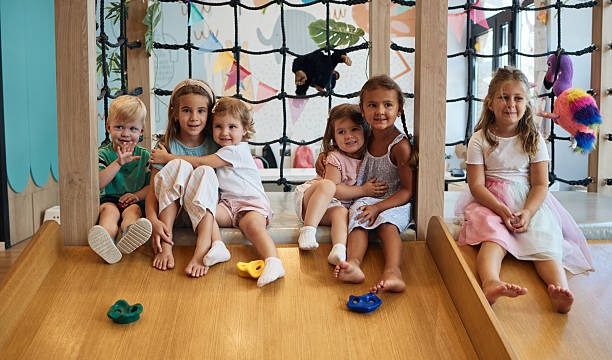
A gentle introduction to social interaction occurs as children engage in cooperative play. When two or more children join forces to construct a fort from cushions, they are not just stacking pillows; they are negotiating roles, sharing ideas, and learning to compromise. In these moments, they practice taking turns and understanding the importance of listening to one another. Each interaction, no matter how small, lays the groundwork for future relationships and enhances their ability to work as part of a team.
As children play, they also encounter the delightful complexities of emotions. The playground can be a whirlwind of feelings—joy, frustration, excitement, and sometimes even sadness. When a child experiences the thrill of a shared victory after a game of tag or learns to cope with the disappointment of losing, they are developing emotional intelligence. This understanding of their own emotions, as well as those of their peers, is a crucial component of social skills. Learning to express feelings appropriately and to respond to the emotions of others fosters a sense of empathy that is vital in building meaningful connections.
In the world of make-believe, children often take on different roles, whether they’re pretending to be doctors, teachers, or superheroes. This imaginative play encourages them to step into someone else’s shoes, providing a unique opportunity to explore different perspectives. As they engage in role-playing, they practice empathy and learn to consider the feelings and thoughts of others. This skill not only enhances their social interactions but also nurtures their ability to understand and appreciate diversity in the world around them.
Conflict resolution is another essential lesson learned through play. Disagreements are natural, and in a kindergarten setting, they are almost inevitable. When children argue over a toy or disagree on the rules of a game, they are presented with a valuable opportunity to learn how to resolve conflicts. Guided by teachers and caregivers, they can navigate these situations, discussing their feelings and finding common ground. This process of negotiation teaches them that conflicts can be resolved through communication and understanding, equipping them with tools they will use throughout their lives.
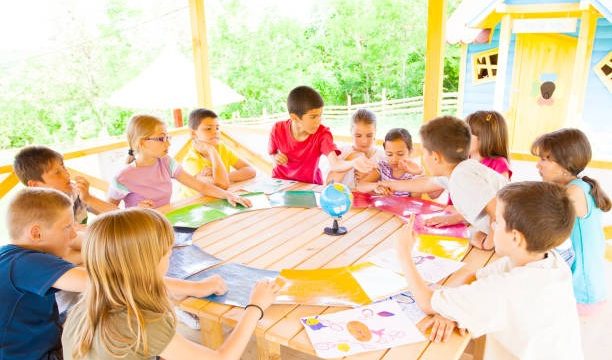
As children engage in group activities, they also learn about the importance of collaboration. Whether it’s working together to complete a puzzle or participating in a group art project, these experiences highlight the value of teamwork. They discover that combining individual strengths can lead to greater achievements than working alone. This sense of community fosters a spirit of cooperation that is essential not only in school but also in future endeavors, be it in the workplace or in personal relationships.
The role of caregivers and educators in this learning process cannot be overstated. By creating a nurturing environment that encourages exploration and interaction, adults can help children thrive socially. Gentle guidance during playtime can facilitate conversations that enhance understanding and teach valuable lessons about respect and kindness. When caregivers model positive social interactions, children are more likely to emulate these behaviors, reinforcing a culture of compassion and support.
In this age of technology, where screens often dominate the landscape, the importance of real-life social interactions cannot be overlooked. Encouraging children to engage in play with their peers, rather than isolating themselves with devices, can significantly impact their social development. Outdoor play, in particular, offers an array of opportunities for children to connect with one another, fostering friendships that are built on shared experiences and mutual understanding.
As children grow and transition from kindergarten to higher grades, the social skills they cultivate through play remain with them. The ability to communicate effectively, empathize with others, and resolve conflicts will serve them well not only in school but throughout their lives. These skills are the building blocks of healthy relationships, both personal and professional, and they contribute to a sense of belonging in an increasingly interconnected world.
In conclusion, the magical realm of kindergarten play is far more than just a delightful escape; it is a vital training ground for social skills that will last a lifetime. Through play, children learn to navigate the complexities of human interaction, developing empathy, cooperation, and conflict resolution skills along the way. As they laugh, create, and explore together, they lay the foundation for future friendships and relationships that will enrich their lives. In nurturing these essential skills, we are not just preparing them for the next stage of their education; we are helping them become compassionate, well-rounded individuals who will contribute positively to society.