Building Emotional Skills in Young Children
In a world that seems to move faster every day, the importance of emotional skills in young children has never been more apparent.
As parents and caregivers, we often focus on academic achievements and physical health, but nurturing emotional intelligence is equally vital for a child’s overall development.
Emotional skills enable children to navigate their feelings, build relationships, and cope with challenges, laying a strong foundation for their future.
Understanding the foundation of emotional skills begins with recognizing the various components of emotional intelligence. At its core, emotional intelligence comprises self-awareness, self-regulation, empathy, and social skills. Each of these elements plays a crucial role in how children relate to themselves and others. By fostering these skills early on, we can help children develop a healthy emotional landscape that will serve them throughout their lives.
Creating a safe space for emotions is one of the first steps in helping children build their emotional skills. Children need to feel secure in expressing their feelings without fear of judgment. This means encouraging open communication and validating their experiences. When a child shares their emotions, whether it’s joy, sadness, or frustration, it’s essential to listen actively and respond with empathy. Phrases like “I understand that you’re feeling upset” or “It’s okay to be happy about that” can go a long way in making them feel heard and understood.
Modeling emotional expression is another key aspect of nurturing emotional skills. Children often learn through observation, so showing them how to express feelings in healthy ways can be incredibly beneficial. This doesn’t mean we need to share every adult concern with them, but rather demonstrating how to talk about our emotions in age-appropriate ways. For instance, if you’re feeling stressed, you might say, “I’m feeling a little overwhelmed today, but I’ll take a few deep breaths to help me feel better.” This not only teaches them about emotional vocabulary but also shows them practical strategies for managing their feelings.
As children grow, they will encounter a range of social situations. Teaching them empathy is fundamental to helping them build meaningful relationships. One effective way to cultivate empathy is through storytelling. Reading books that explore emotions and relationships can provide a springboard for discussions. After finishing a story, ask open-ended questions about the characters’ feelings and motivations. This encourages children to think about perspectives beyond their own, helping them to develop a deeper understanding of others’ experiences.
Another gentle approach to building empathy is through role-playing. Engaging in imaginative play allows children to step into different roles and scenarios, which can enhance their ability to understand and relate to others. Whether they’re pretending to be a teacher, a doctor, or even a character from their favorite show, role-playing can help them practice empathy in a fun and engaging way.
As children learn to identify their own emotions, teaching them self-regulation becomes essential. Self-regulation is the ability to manage one’s emotions, particularly in challenging situations. One effective method for developing this skill is through mindfulness practices. Mindfulness can be as simple as taking a moment to breathe deeply or being present in the moment. Encouraging children to pause and reflect before reacting can help them make more thoughtful decisions, especially when they’re feeling overwhelmed.
Creating routines around mindfulness can make these practices feel natural. For instance, establishing a calming bedtime routine that includes deep breathing or a short meditation can help children unwind and process their day. Over time, these practices can strengthen their ability to self-regulate in various situations, from school to social interactions.
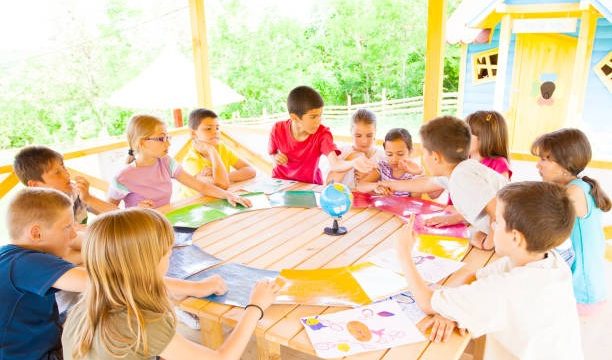
Fostering social skills is another crucial aspect of emotional development. Children need to learn how to interact positively with their peers, share, take turns, and resolve conflicts. One of the best ways to teach these skills is through playdates or group activities. These interactions provide opportunities for children to practice communication and cooperation in real-time. When conflicts arise, gently guiding them through problem-solving can help them learn how to navigate disagreements constructively.
Encouraging teamwork can also be beneficial. Simple activities like building a fort or working on a puzzle together can teach children the value of collaboration and compromise. By celebrating their achievements together, no matter how small, you help them understand the joy of working with others and the importance of shared experiences.
As children develop their emotional skills, it’s important to recognize that setbacks will occur. Learning to cope with disappointment is a natural part of growth. When children face challenges, such as losing a game or not getting their way, it’s an opportunity for valuable lessons. Acknowledge their feelings and help them find constructive ways to cope. This could involve discussing what they could do differently next time or simply comforting them through their disappointment.
Positive reinforcement can also play a significant role in encouraging emotional growth. Celebrating their efforts, whether it’s expressing their feelings, showing empathy, or resolving a conflict, reinforces the behaviors you want to see. Simple praise like “I’m proud of you for sharing your toy” or “You did a great job listening to your friend” can boost their confidence and motivate them to continue developing their emotional skills.
Ultimately, building emotional skills in young children is a journey that requires patience, understanding, and love. By creating a nurturing environment where emotions are acknowledged and valued, we empower our children to develop into emotionally intelligent individuals. These skills will not only help them navigate their childhood but will also serve as invaluable tools throughout their lives. As they grow, they’ll carry with them the ability to connect with others, manage their feelings, and face life’s challenges with resilience and grace.