In the vibrant world of kindergarten, where curiosity meets creativity, arts and crafts serve as a bridge to learning that transcends traditional methods.
Young children, with their boundless energy and imagination, are naturally inclined to explore the world around them through hands-on experiences.
Integrating arts and crafts into their daily routine not only nurtures their artistic talents but also fosters essential skills that will benefit them throughout their educational journey.
The beauty of learning through arts and crafts lies in its ability to engage multiple senses. When children dip their fingers into paint or roll out dough, they are not just creating; they are experiencing. This tactile exploration stimulates their senses and enhances cognitive development. The vibrant colors and varied textures ignite their imagination, encouraging them to express themselves in ways that words sometimes cannot. As they manipulate materials, they develop fine motor skills, improving their hand-eye coordination and dexterity, which are crucial for writing and other future tasks.
One of the most significant benefits of arts and crafts in kindergarten is the promotion of problem-solving skills. Children often face challenges when creating their masterpieces, whether it’s figuring out how to attach two pieces together or deciding which colors complement one another. These moments of trial and error teach resilience and critical thinking. Instead of shying away from mistakes, they learn to embrace them as part of the creative process. This mindset is invaluable, as it lays the groundwork for a lifetime of learning.
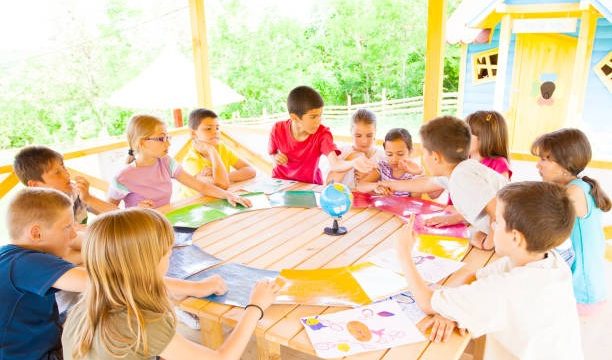
A gentle introduction to collaboration can also blossom through group art projects. When children work together, sharing supplies and ideas, they learn the importance of communication and teamwork. These interactions help them develop social skills, teaching them how to navigate relationships and work towards a common goal. As they share their vision and listen to others, they cultivate empathy and respect for diverse perspectives, enriching their emotional intelligence.
The integration of storytelling into arts and crafts can further enhance the learning experience. When children create characters or scenes from their favorite stories, they engage in imaginative play that deepens their understanding of narrative structure. This creative connection between art and storytelling not only fuels their love for literature but also encourages them to think critically about the stories they encounter. They begin to recognize themes, character motivations, and plot developments, laying a solid foundation for literacy skills.
In a world that often emphasizes standardized testing and rigid curricula, arts and crafts offer a refreshing alternative. They provide an opportunity for children to explore their individuality and express their emotions creatively. Whether it’s through painting a canvas, sculpting with clay, or crafting a collage, children can channel their feelings into tangible forms. This self-expression is crucial for their emotional development, helping them to articulate their thoughts and feelings in a healthy way.
As educators and parents, it’s essential to create an environment that celebrates creativity. This can be as simple as setting up a designated art space filled with various materials—crayons, paper, glue, and more. Encouraging children to explore these resources freely can lead to delightful surprises. Observing their creativity unfold can be a joy, as they transform ordinary items into extraordinary works of art.
In addition to fostering creativity, arts and crafts can also serve as a wonderful way to introduce cultural awareness. Through various art forms, children can learn about different cultures and traditions, broadening their horizons. Crafting items inspired by global traditions can spark curiosity and appreciation for diversity, encouraging them to celebrate differences and similarities in a meaningful way.
Moreover, the act of creating art can be therapeutic. For young children, the world can sometimes feel overwhelming. Engaging in arts and crafts allows them to escape, even if just for a moment, into a realm of imagination where they feel safe and empowered. This creative outlet can help them process their emotions, providing a sense of calm and control that is especially important during their formative years.
As we consider the role of arts and crafts in kindergarten, it’s important to remember that the journey is just as valuable as the destination. The emphasis should not be solely on the finished product but rather on the process of creation itself. Encouraging children to take pride in their efforts, regardless of the outcome, instills a sense of accomplishment and boosts their confidence. Each stroke of paint or piece of paper glued down is a testament to their creativity and hard work.
In this nurturing environment, children also learn the importance of patience and focus. Creating art takes time and concentration, skills that are transferable to other areas of learning. As they engage in these creative tasks, they develop the ability to concentrate on a single project, a skill that will serve them well in the classroom and beyond.
As parents and educators, we should embrace the idea that learning doesn’t have to be confined to textbooks and worksheets. Arts and crafts open a world of possibilities, allowing children to explore, create, and learn in a way that feels natural and joyful. By incorporating these activities into their daily routine, we can foster a love of learning that lasts a lifetime.
In conclusion, the integration of arts and crafts into kindergarten is more than just a fun activity; it is a vital component of a well-rounded education. By nurturing creativity, enhancing problem-solving skills, promoting collaboration, and encouraging self-expression, we set the stage for children to thrive both academically and emotionally. As we watch them create, we witness not only their artistic growth but also the blossoming of confident, curious individuals ready to take on the world.