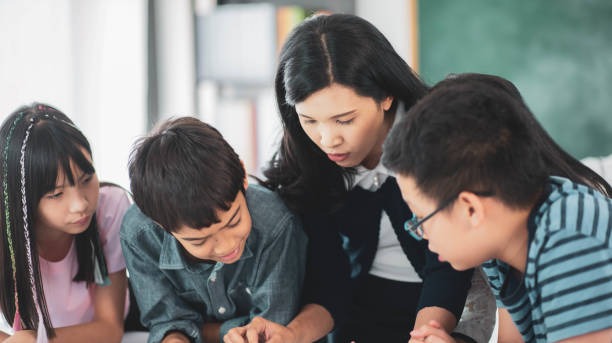
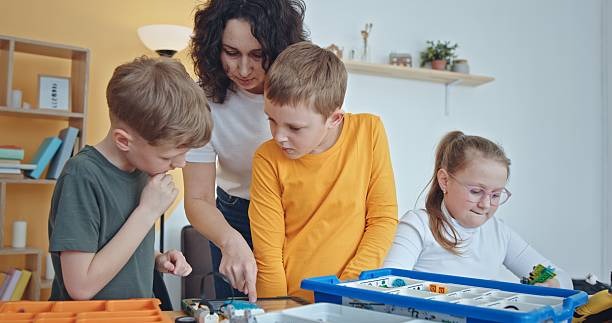
In the bustling halls of high school, students navigate a world filled with academic challenges and social dynamics.
While individual accomplishments often take center stage, the importance of collaboration cannot be overstated.
Learning to work together not only enhances the educational experience but also nurtures essential life skills that extend far beyond the classroom.
The journey toward effective collaboration begins with understanding what it truly means to work together. It’s about more than just dividing tasks; it’s about creating a shared vision and building a supportive environment where everyone feels valued. In this collective space, students learn to appreciate diverse perspectives, which fosters creativity and innovation.
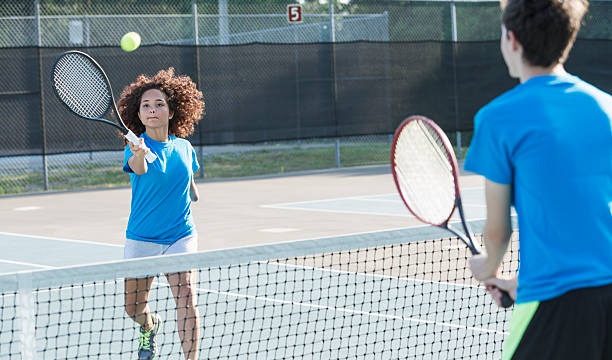
The art of collaboration can be likened to a dance. Each participant has a role to play, and when they move in harmony, the result is a beautiful performance. High school is an ideal setting for students to refine this dance. Group projects, team sports, and extracurricular activities provide countless opportunities to practice working with others. These experiences teach valuable lessons about compromise, patience, and communication—skills that are vital in both personal and professional relationships.
A small shift toward balance can make a significant difference in how students approach teamwork. Rather than viewing collaboration as a chore, embracing it as a chance to learn from one another can transform the experience. When students actively engage with their peers, they begin to recognize the strengths each person brings to the table. This realization encourages a sense of belonging and fosters a collaborative spirit.
Building trust is another crucial element of successful collaboration. High school can be a time of uncertainty, and students often feel vulnerable when sharing their ideas. Creating a safe space where everyone feels comfortable expressing themselves is essential. This can be achieved through open communication, active listening, and a non-judgmental attitude. When students know they can voice their thoughts without fear of criticism, they are more likely to contribute meaningfully to group discussions.
It’s also important to acknowledge that not every collaboration will be smooth sailing. Challenges are inevitable, and learning to navigate these difficulties is part of the process. Disagreements may arise, and differing opinions can lead to tension. However, these moments can be valuable teaching opportunities. By addressing conflicts respectfully and seeking common ground, students develop conflict resolution skills that will serve them well in the future.
As students engage in collaborative projects, they also learn the importance of accountability. Each member of a team has a role to fulfill, and understanding the impact of one’s contributions on the group dynamic is essential. This sense of responsibility encourages students to take ownership of their work and motivates them to strive for excellence.
In addition to academic projects, extracurricular activities offer a fantastic platform for students to enhance their collaborative skills. Whether joining a club, participating in a sport, or volunteering for community service, these experiences allow students to connect with peers who share similar interests. Through shared goals, they learn to celebrate each other’s successes and support one another during challenges, reinforcing the idea that teamwork can lead to greater achievements.
Technology also plays a pivotal role in modern collaboration. With the rise of digital tools, students can connect and collaborate with peers from different backgrounds and locations. Online platforms facilitate group work, enabling students to share ideas and resources seamlessly. However, it’s important to remember that technology should enhance, not replace, face-to-face interactions. Balancing digital collaboration with personal connections is key to fostering meaningful relationships.
As students progress through high school, their collaborative experiences become increasingly complex. Group dynamics evolve, and students may find themselves leading teams or mentoring younger peers. These opportunities not only reinforce their own skills but also allow them to contribute positively to their community. By guiding others, they cultivate empathy and leadership qualities that are essential in any collaborative setting.
In the grander scheme of life, the ability to collaborate effectively is invaluable. As students prepare for future endeavors—whether in college, the workplace, or personal relationships—the skills they develop in high school will serve them well. Employers often prioritize candidates who can work well in teams, communicate effectively, and navigate diverse perspectives. By honing these skills early on, students set themselves up for success in their future endeavors.
Ultimately, learning to collaborate in high school is about more than just completing assignments together. It’s about fostering connections, building trust, and developing skills that will last a lifetime. As students embark on this journey, they discover the beauty of working together and the joy that comes from shared accomplishments.
In a world that often emphasizes individual achievement, high school offers a unique opportunity to cultivate a spirit of collaboration. By embracing the journey, students not only enrich their own lives but also contribute to a more harmonious and supportive community. As they learn to dance together, they find that the rhythm of collaboration can create a melody that resonates long after the final bell rings.