Exploring the World Through Kindergarten Activities
The world is a vast tapestry of cultures, languages, and experiences, each waiting to be discovered.
For young children, this exploration often begins in the warm and nurturing environment of kindergarten.
Here, children are not just learning the basics of reading and math; they are also embarking on a journey of curiosity and creativity that can last a lifetime. Through thoughtfully designed activities, kindergarten provides an incredible opportunity for children to explore the world around them, fostering a sense of wonder and connection to the diverse fabric of humanity.
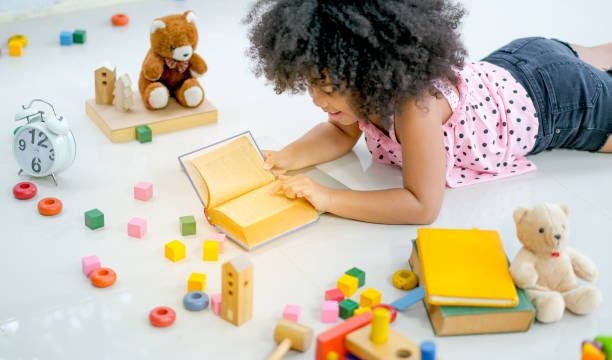
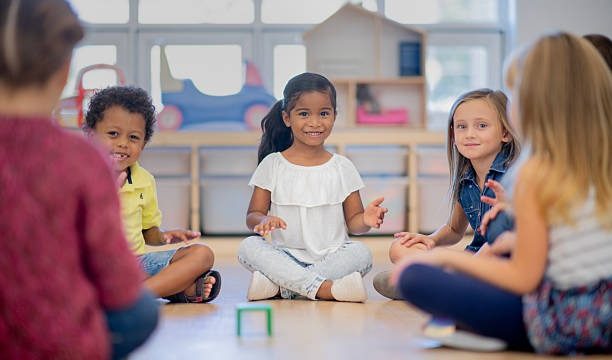
A gentle introduction to cultural exploration can begin with stories. Storytime in kindergarten is not just about reading books; it’s about opening doors to different perspectives and experiences. Teachers often select stories from various cultures, allowing children to hear tales that reflect the lives of others. This not only nurtures listening skills but also sparks conversations about similarities and differences. When children hear about a festival celebrated halfway across the globe, they begin to understand that the world is filled with traditions, values, and stories that enrich our lives.
As children listen to these stories, they can also engage in creative activities that allow them to express what they’ve learned. For instance, after exploring a story about a family from another culture, children might create their own family trees. This activity encourages them to think about their own backgrounds while appreciating the diversity of others. They can use art supplies to illustrate their family members and share their drawings with classmates, fostering a sense of community and belonging.
Exploration through play is another essential aspect of kindergarten. Dramatic play areas, often designed to mimic real-world environments, encourage children to step into different roles and situations. A corner set up as a marketplace, for example, allows children to role-play as shopkeepers and customers, learning about trade and commerce while practicing social skills. This kind of imaginative play also serves as a gateway to understanding economic concepts and the importance of community interactions.
Cooking activities can also be a delightful way to explore different cultures. When children gather to prepare simple dishes from various countries, they not only learn about different cuisines but also about the significance of food in cultural celebrations. As they mix ingredients and share meals, children experience the joy of collaboration and the beauty of shared traditions. Cooking together fosters teamwork and communication, essential skills for their future endeavors.
Gardening is another wonderful avenue for exploration. By planting seeds and tending to a garden, children learn about the environment and the importance of nature in different cultures. They can explore how various cultures use plants for food, medicine, and rituals, fostering an appreciation for the earth and its resources. Gardening teaches patience and responsibility, as children see the fruits of their labor grow over time. This hands-on experience encourages a lifelong respect for nature and sustainability.
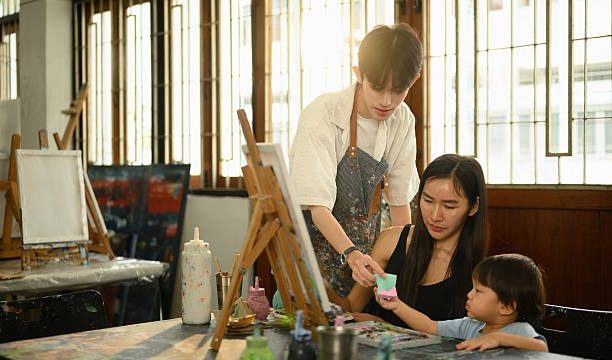
Art activities can also serve as a bridge to understanding global cultures. Introducing children to traditional crafts from around the world—such as weaving, pottery, or painting—allows them to explore artistic expressions that have been passed down through generations. As they create their own versions of these crafts, children learn about the history and significance behind them. Art provides a powerful medium for self-expression and encourages children to think critically about cultural representation.
Music and dance are universal languages that can bring children together in joyous exploration. Introducing songs and dances from various cultures not only enhances their appreciation for rhythm and movement but also encourages physical activity and coordination. Children can learn about the stories behind these dances, which often convey deep cultural meanings. Engaging in movement together fosters a sense of unity and shared experience, allowing children to celebrate diversity through the joy of music.
Field trips are another exciting way to explore the world beyond the classroom. Visiting local cultural centers, museums, or festivals exposes children to real-life examples of the concepts they learn in school. These outings provide tangible experiences that can ignite curiosity and deepen understanding. Whether they are observing a traditional dance performance or participating in a hands-on workshop, field trips create lasting memories that enrich their educational journey.
As children engage in these activities, it’s essential for educators and parents to encourage open discussions about what they observe and learn. Creating a safe space for children to express their thoughts and feelings fosters critical thinking and emotional intelligence. By asking questions and encouraging dialogue, adults can help children connect the dots between their experiences and the broader world.
A small shift toward balance can also be found in the integration of mindfulness practices into kindergarten activities. Simple breathing exercises or moments of quiet reflection can help children develop emotional regulation and self-awareness. Mindfulness encourages children to be present, promoting a sense of calm and focus that enhances their learning experiences. When children learn to connect with themselves, they become more open to connecting with others.
Ultimately, exploring the world through kindergarten activities is about nurturing a sense of curiosity and connection. Each story read, each dish prepared, and each song sung is a step toward understanding the rich tapestry of human experience. As children engage in these diverse activities, they are not just learning facts; they are developing empathy, creativity, and a sense of belonging in an interconnected world.
In this way, kindergarten becomes a powerful launching pad for lifelong exploration and learning. By providing children with the tools to understand and appreciate diversity, we are helping to shape a brighter future—one where respect, kindness, and curiosity thrive. As we encourage our little ones to explore the world, we are not just guiding them through their early years; we are igniting a passion for discovery that will last a lifetime.