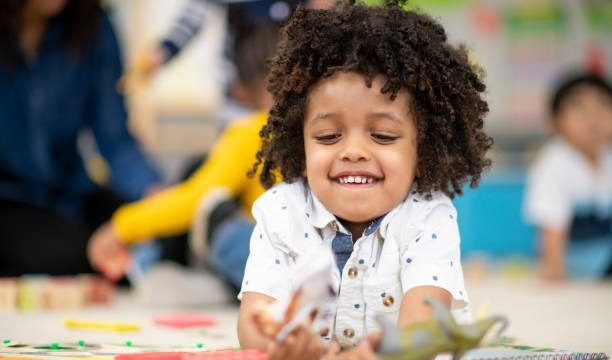
In the vibrant world of kindergarten, where curiosity blooms and friendships begin to take root, teaching manners and kindness can play a transformative role in a child’s early education.
These foundational lessons not only shape how children interact with one another but also lay the groundwork for their future social interactions.
Instilling these values at a young age creates a ripple effect, fostering a nurturing environment that benefits both children and the adults in their lives.
Creating a nurturing environment
The kindergarten classroom is often a child’s first experience with a structured social setting, where they learn to navigate relationships and understand their feelings. As educators and parents, creating a nurturing environment is essential for cultivating these early lessons in manners and kindness. Children thrive in spaces that feel safe and welcoming, where they are encouraged to express themselves and explore their emotions.
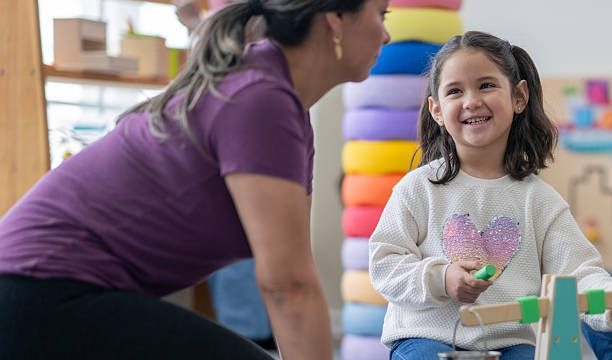
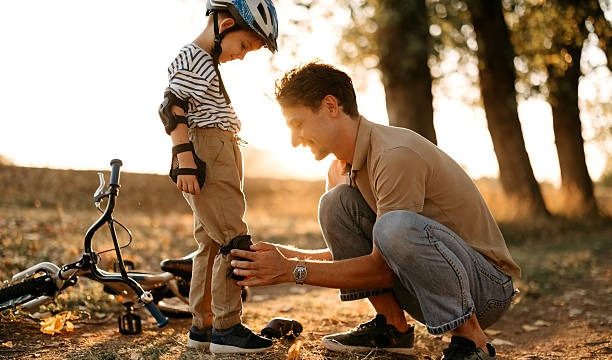
In such an environment, simple acts of kindness can be modeled and reinforced. Teachers and caregivers can demonstrate how to greet one another with a smile, share toys during playtime, or offer compliments to friends. These actions not only set a positive example but also show children the joy that comes from being considerate and respectful.
The power of gentle reminders
In the hustle and bustle of daily activities, it’s easy for young children to forget the importance of manners. Gentle reminders can be a powerful tool in reinforcing these lessons. Phrases like “please” and “thank you” might not come naturally to every child, but through consistent encouragement, they can become second nature.
One effective approach is to incorporate these reminders into daily routines. For instance, during snack time, children can be prompted to express gratitude for their food or to ask for items politely. By weaving manners into everyday moments, children learn that kindness is not just a set of rules to follow but a way of life.
Fostering empathy through play
Play is an essential part of kindergarten, serving as a platform for children to learn and grow. It is during these playful interactions that opportunities for teaching kindness often arise. Role-playing activities, storytelling, and group games can all serve as avenues for children to practice empathy and understand the feelings of others.
When children engage in role-playing scenarios, they can step into someone else’s shoes, experiencing different perspectives and emotions. This practice not only enhances their social skills but also encourages them to respond with kindness in various situations. For instance, a simple game where children take turns being the “helper” can reinforce the importance of cooperation and support.
Celebrating small victories
As children begin to grasp the concepts of manners and kindness, it’s important to celebrate their progress, no matter how small. Positive reinforcement can go a long way in building their confidence and enthusiasm for practicing these values. A simple “I noticed how you shared your toy with your friend today” can make a child feel seen and appreciated.
Creating a culture of recognition in the classroom can also inspire children to emulate these behaviors. When they see their peers being acknowledged for their kindness, they are more likely to follow suit. This environment of support encourages everyone to strive for kindness, creating a collective spirit of compassion.
Encouraging family involvement
The journey of teaching manners and kindness extends beyond the classroom and into the home. Encouraging families to become involved can create a cohesive approach to these essential life skills. Parents can be invited to participate in classroom activities, share stories about kindness, or even lead discussions during family nights.
When children see their parents modeling polite behavior and kindness at home, they are more likely to adopt these practices themselves. Simple family traditions, such as discussing one kind act that each member performed during the day, can reinforce these values in a loving and supportive atmosphere.
Building a community of kindness
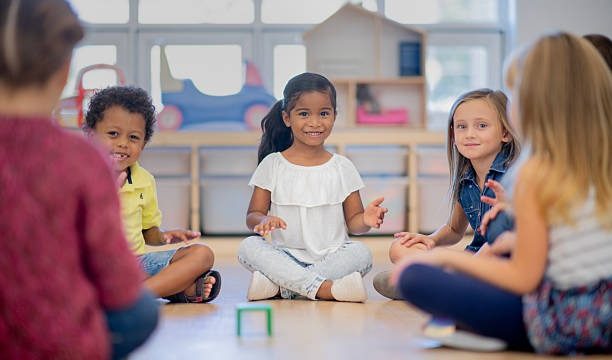
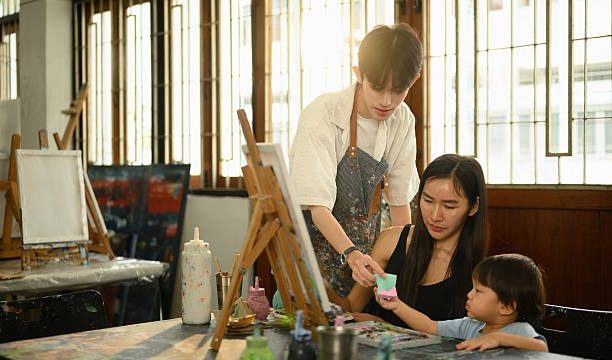
As children learn about manners and kindness, fostering a sense of community becomes vital. Encouraging teamwork through group projects or collaborative activities helps children understand the importance of working together and appreciating one another’s contributions. This sense of belonging nurtures their social skills and reinforces the idea that kindness is a shared responsibility.
Creating a classroom culture where children feel free to express their thoughts and feelings also contributes to a strong sense of community. When children learn to communicate openly, they develop the ability to resolve conflicts peacefully and treat others with respect.
The long-term impact of teaching kindness
The lessons of manners and kindness learned in kindergarten have lasting effects that extend far into adulthood. Children who are taught these values are more likely to grow into empathetic individuals who contribute positively to society. As they navigate their educational journeys and beyond, the ability to connect with others and treat them with respect will serve them well in their personal and professional lives.
In a world that often feels divided, the simple acts of kindness instilled in childhood can create waves of positive change. As educators and parents, we hold the power to shape the future by nurturing these values in our youngest generation.
As we reflect on the importance of teaching manners and kindness in kindergarten, let us remember that every small effort counts. Each smile, every polite exchange, and every act of kindness contributes to a brighter, more compassionate world. By embracing these lessons, we not only enrich the lives of the children in our care but also pave the way for a more harmonious society.