In the world of education, the role of a teacher extends far beyond the mere delivery of knowledge.
Effective teachers understand that fostering an environment of collaboration is key to nurturing not just academic growth, but also social and emotional development among their students.
Through intentional practices and a genuine commitment to community, these educators create spaces where students feel empowered to share ideas, learn from one another, and engage in meaningful dialogue.
The art of collaboration begins with the teacher’s mindset. Effective educators embody a spirit of openness and inclusivity, welcoming diverse perspectives and encouraging students to voice their thoughts. This approach requires a shift from traditional teaching methods, where the teacher is often seen as the sole authority. Instead, effective teachers cultivate a classroom environment that values each student’s contribution, recognizing that everyone has unique experiences and insights to share. By doing so, they lay the groundwork for a rich tapestry of ideas to flourish.
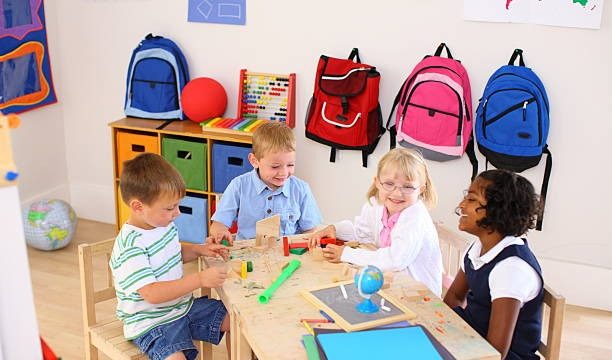
Creating a sense of community is essential in promoting collaboration. Effective teachers often engage students in team-building activities that foster trust and connection. These activities are not just about breaking the ice; they are about building relationships that can withstand the challenges of group work. When students feel comfortable with one another, they are more likely to share their thoughts openly and take risks in their learning. This sense of belonging encourages students to collaborate, knowing that their peers are supportive allies in the learning journey.
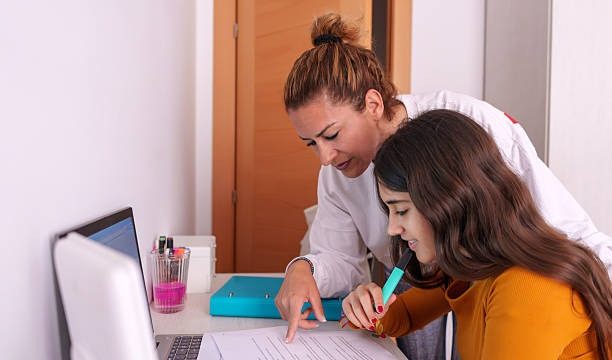
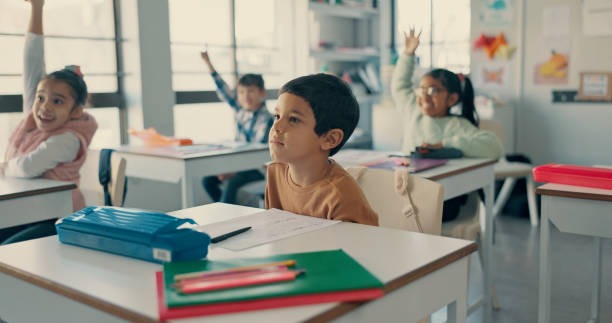
A small shift toward balance can also be seen in how effective teachers facilitate discussions. Rather than dominating the conversation, they guide it gently, allowing students to explore topics in depth. This might involve asking open-ended questions that invite students to think critically and share their perspectives. By encouraging dialogue, teachers help students learn to listen actively and respect differing opinions. This practice not only enhances their understanding of the subject matter but also equips them with essential skills for future collaboration in various settings.
Effective teachers also model collaborative behavior. They demonstrate how to work together by engaging in group projects with their students or collaborating with fellow educators. When students see their teachers valuing teamwork, they are more likely to emulate that behavior. This modeling reinforces the idea that collaboration is a vital skill, not just a classroom activity. Teachers who share their own experiences of working with others can inspire students to appreciate the power of collaboration in achieving common goals.
Incorporating technology into the classroom can further enhance collaborative efforts. Utilizing digital tools allows students to connect with one another beyond the physical classroom. Online platforms can facilitate group projects and discussions, providing a space where students can collaborate in real time, regardless of their location. This approach not only broadens their learning opportunities but also prepares them for the increasingly interconnected world they will navigate as adults.
Emphasizing the importance of feedback is another hallmark of effective teachers. They create an environment where constructive criticism is welcomed and seen as a vital part of the learning process. By teaching students how to give and receive feedback, they empower them to engage in meaningful discussions that lead to improvement and growth. This practice encourages collaboration, as students learn to rely on each other for support and guidance. They become partners in each other’s learning, fostering a sense of shared responsibility for their collective success.
As students collaborate, they also develop important social and emotional skills. Effective teachers recognize that collaboration is not just about working together academically; it also involves understanding and managing emotions. They teach students how to navigate conflicts, celebrate successes, and support one another through challenges. This holistic approach to collaboration helps students build resilience and empathy, qualities that are essential for thriving in both their personal and professional lives.
Moreover, effective teachers celebrate the diversity of their classrooms. They understand that each student brings a unique set of experiences, cultures, and perspectives that can enrich collaborative efforts. By encouraging students to share their backgrounds and insights, teachers create a learning environment that respects and values individuality. This inclusivity not only enhances collaboration but also prepares students to thrive in a diverse world, fostering a sense of global citizenship.
In the end, the impact of effective teachers who encourage collaboration extends far beyond the classroom. They instill a love for learning and a sense of community that students carry with them throughout their lives. By nurturing collaboration, these educators empower students to become lifelong learners who are capable of working together to solve complex problems and contribute positively to society.
Ultimately, the journey toward effective collaboration in the classroom is one of growth and discovery. Through the guidance of dedicated teachers, students learn not just academic content but also the profound value of connection and cooperation. In a world that often feels divided, the ability to collaborate with others is a gift that can lead to understanding, innovation, and positive change. As we celebrate the work of these remarkable educators, we are reminded that the seeds of collaboration sown in the classroom today will bloom into a more harmonious and collaborative society tomorrow.