In the ever-evolving world of education, the significance of teacher competencies has never been more pronounced.
As educators, we find ourselves at the forefront of shaping young minds, guiding them through the complexities of knowledge, and nurturing their potential.
To truly make a difference in the classroom, teachers must cultivate a set of competencies that not only enhance their teaching practices but also enrich the learning experience for their students.
A gentle approach to understanding these competencies can lead to practical improvements in teaching methods, fostering an environment where both students and teachers thrive.
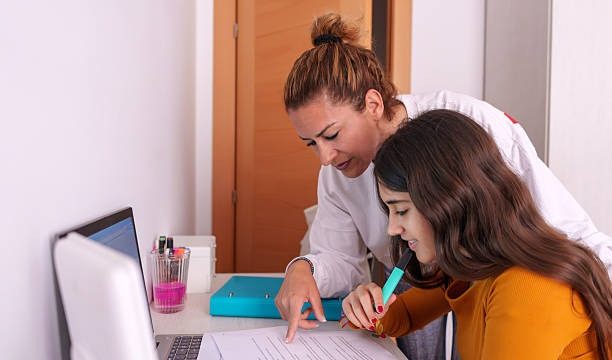
The heart of effective teaching lies in the connection between the educator and the student. Building strong relationships is paramount, as it creates a foundation of trust and respect. When students feel valued, they are more likely to engage actively in the learning process. This connection can be nurtured through empathy and active listening. Teachers who take the time to understand their students’ backgrounds, interests, and challenges can tailor their teaching strategies accordingly, making learning more relevant and impactful.
In addition to fostering relationships, teachers should also embrace adaptability. The classroom is a dynamic environment where unexpected challenges may arise. A teacher’s ability to pivot and adjust their teaching approach in response to the needs of their students is crucial. This may involve integrating new technologies, exploring different teaching methodologies, or simply being open to feedback. By remaining flexible, educators can create a learning atmosphere that is both engaging and responsive.
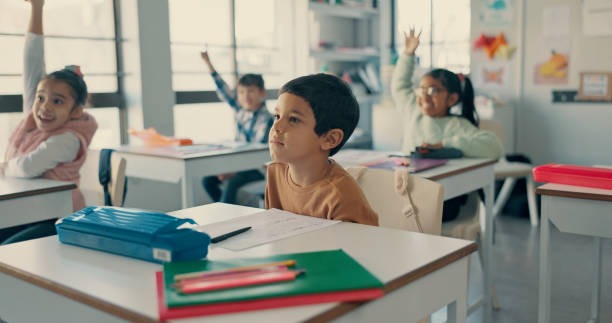
Another essential competency is the ability to communicate effectively. Clear communication can bridge gaps and enhance understanding. This includes not only how teachers convey information but also how they encourage dialogue among students. Creating an inclusive classroom where every voice is heard fosters collaboration and critical thinking. When students feel safe to express their ideas and opinions, they are more likely to develop confidence in their abilities.
A small shift toward balance can also significantly contribute to teaching effectiveness. The demands of teaching can be overwhelming, and it’s easy to become consumed by lesson planning, grading, and administrative tasks. However, taking the time to reflect on one’s own well-being is vital. When teachers prioritize self-care, they are better equipped to support their students. This might mean setting boundaries, practicing mindfulness, or simply taking a moment to breathe. A balanced teacher is a more present teacher, one who can inspire and motivate their students.
Furthermore, a commitment to professional development is essential for continuous improvement. Education is a field that is constantly changing, with new research, technologies, and teaching strategies emerging regularly. Engaging in professional learning opportunities allows teachers to expand their knowledge and skill set. Whether it’s attending workshops, collaborating with colleagues, or pursuing advanced degrees, the journey of learning should never end. This dedication not only enhances a teacher’s competencies but also serves as a powerful example for students about the importance of lifelong learning.
Incorporating creativity into teaching practices can also lead to significant improvements. Creativity fosters an engaging and stimulating learning environment. By thinking outside the box, teachers can develop innovative lesson plans that capture students’ imaginations. This might involve integrating art, music, or hands-on activities into the curriculum. When students are encouraged to explore their creativity, they are more likely to retain information and develop a genuine love for learning.
Equally important is the ability to assess and reflect on one’s teaching practices. Effective educators regularly evaluate their methods and seek ways to improve. This can be achieved through self-reflection, peer observations, or soliciting feedback from students. By understanding what works and what doesn’t, teachers can refine their approaches and better meet the needs of their students. This reflective practice not only enhances teaching but also models a growth mindset for students.
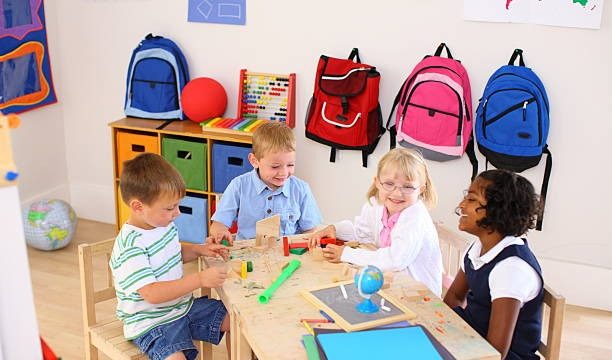
Creating a supportive classroom environment is another vital competency. Students thrive in spaces where they feel safe and respected. Teachers can cultivate this environment by establishing clear expectations, promoting kindness, and encouraging collaboration. When students feel secure, they are more likely to take risks in their learning, ask questions, and engage deeply with the material.
Lastly, embracing cultural competence is essential in today’s diverse classrooms. Understanding and respecting the various backgrounds and experiences of students allows teachers to create a more inclusive learning environment. This involves recognizing biases, celebrating diversity, and incorporating multicultural perspectives into the curriculum. When students see themselves reflected in their education, they are more likely to feel a sense of belonging and engagement.
As we consider the competencies that contribute to practical teaching improvement, it’s clear that the journey is as much about personal growth as it is about professional development. Teachers who strive to enhance their skills and adapt to the needs of their students not only become better educators but also inspire a love for learning in their classrooms.
In this ever-changing educational landscape, the commitment to nurturing these competencies can lead to profound transformations, shaping not only the future of our students but also the future of education itself. By embracing relationships, adaptability, communication, balance, creativity, reflection, support, and cultural competence, teachers can create a rich tapestry of learning experiences that empower every student to reach their full potential.
Ultimately, teaching is not just a job; it’s a calling that requires passion, resilience, and a genuine desire to make a difference. As educators, we have the incredible opportunity to influence lives, and by honing our competencies, we can ensure that our impact is both meaningful and lasting.