In a world that often feels fast-paced and overwhelming, the importance of early learning and positive behavior growth in children is a gentle reminder of the beauty of nurturing young minds.
The early years of a child’s life are a precious time filled with curiosity, exploration, and a natural desire to understand the world around them.
This period lays the foundation for lifelong learning and emotional well-being, making it essential for parents and caregivers to create an environment that fosters both cognitive and behavioral growth.
As children embark on their educational journeys, they are not merely absorbing information; they are learning how to interact with others, express their feelings, and develop a sense of self. It is during these formative years that the seeds of positive behavior are planted. When children are encouraged to explore their thoughts and emotions in a supportive atmosphere, they learn the value of empathy, cooperation, and respect for others. This nurturing approach allows them to thrive not only academically but also socially and emotionally.
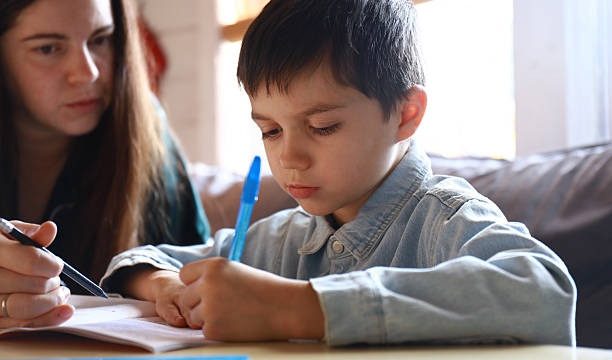
Creating a nurturing environment begins at home, where parents can model positive behaviors. Simple acts of kindness and understanding can have a profound impact on a child’s development. When children witness their caregivers navigating challenges with patience and grace, they learn to do the same. It’s important to remember that children are keen observers; they absorb the attitudes and behaviors of the adults in their lives. By demonstrating respect and understanding in everyday interactions, parents can cultivate a similar mindset in their children.
A small shift toward balance can also be beneficial in promoting positive behavior. Encouraging children to express their feelings openly is a vital part of this balance. When children feel safe to articulate their emotions, whether they are happy, sad, or frustrated, they develop emotional intelligence. This skill is crucial as they learn to navigate relationships and solve conflicts. Parents can create space for these conversations by actively listening and validating their child’s feelings, reinforcing the idea that it is okay to express oneself.
In addition to emotional expression, engaging children in cooperative play can significantly enhance their social skills. Activities that require teamwork, whether it’s building a fort, playing a board game, or participating in group sports, teach children how to collaborate and negotiate. These experiences not only foster friendships but also instill a sense of belonging. When children learn to work together toward a common goal, they develop patience, resilience, and the ability to celebrate others’ successes, which are all vital components of positive behavior.
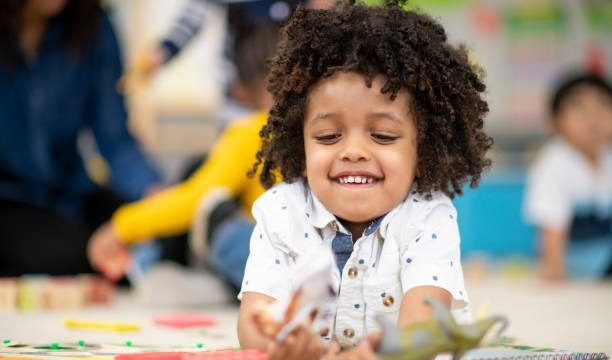
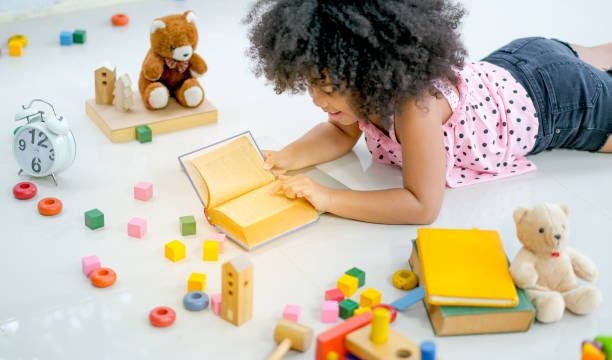
Learning through play is another cornerstone of early childhood development. Play is not just a way for children to pass the time; it is a fundamental method through which they learn about the world. Through imaginative play, children can experiment with different roles, understand various perspectives, and practice problem-solving. Whether they are pretending to be doctors, teachers, or explorers, they are honing their cognitive skills while also learning to navigate social dynamics. This playful exploration encourages creativity and critical thinking, both of which are essential for positive behavior growth.
As children advance through their early learning experiences, the support of educators becomes increasingly important. Teachers play a pivotal role in shaping children’s attitudes toward learning and behavior. A positive classroom environment, characterized by encouragement and respect, can inspire children to take risks, ask questions, and engage fully in their education. When educators create a space where mistakes are viewed as opportunities for growth, children learn to embrace challenges rather than shy away from them. This mindset fosters resilience and a love for learning that can last a lifetime.
Incorporating mindfulness practices into early learning can also be a gentle yet powerful tool for promoting positive behavior. Simple activities such as deep breathing exercises, guided imagery, or even quiet reflection time can help children develop self-regulation skills. These practices encourage children to pause and reflect on their emotions, leading to better decision-making and interpersonal interactions. As children learn to manage their feelings and reactions, they become more equipped to handle the ups and downs of life, both now and in the future.
As parents and caregivers, it is essential to recognize the importance of celebrating small victories. Acknowledging a child’s efforts and progress, no matter how minor, can boost their self-esteem and motivation. Whether it’s praising them for sharing toys, completing a task, or simply trying something new, these affirmations reinforce positive behavior and encourage children to continue growing. This practice helps children internalize the idea that their actions have consequences, and positive reinforcement can lead to more of the same behavior.
The journey of early learning and positive behavior growth is not a linear path; it is filled with twists and turns, moments of joy, and opportunities for learning. Each child is unique, and their growth will unfold in its own time. By fostering an environment that is rich in love, support, and understanding, parents and caregivers can help children develop the skills they need to navigate the complexities of life with confidence and grace.
In conclusion, the relationship between early learning and positive behavior growth is a beautiful dance. As children explore their world, they are not just learning facts and figures; they are discovering who they are and how they relate to others. By providing a nurturing environment, encouraging emotional expression, promoting play, and celebrating achievements, we can help children cultivate the positive behaviors that will serve them well throughout their lives. In this journey, every small step toward understanding and connection is a step toward a brighter future for our children.