In the world of education, teaching students to uncover clues within texts is a skill that transcends mere reading comprehension.
It is about nurturing a sense of curiosity and encouraging young minds to engage deeply with the material.
Whether it’s a novel, a poem, or even a textbook, the ability to identify clues can transform reading from a passive activity into an enriching exploration. Let’s delve into some gentle strategies that can help guide students in this journey of discovery.
Creating a Welcoming Environment
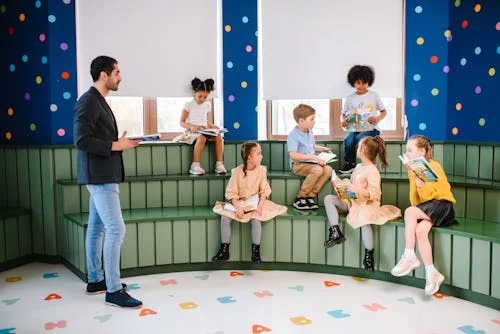
To begin with, it’s essential to foster an atmosphere that encourages inquiry and exploration. When students feel comfortable and supported, they are more likely to take risks in their learning. A warm and inviting classroom can be the perfect backdrop for developing critical thinking skills. Taking a few moments at the start of each reading session to discuss expectations and encourage questions can set a positive tone. Allowing students to express their thoughts openly can help them feel valued and invested in the reading process.
The Power of Questioning
One of the most effective ways to guide students toward finding clues is through the art of questioning. Encouraging them to ask questions about the text can spark curiosity and lead to deeper understanding. Questions like, “What do you think the author is trying to convey here?” or “How does this character’s action relate to the theme?” can help students begin to see beyond the surface. By modeling this questioning technique, educators can demonstrate how to dig into the text and search for clues that provide insight.
Engaging with the Text
Reading should be more than just a passive act; it should be a dialogue between the reader and the text. Encouraging students to engage actively with what they read can enhance their ability to identify clues. This can be achieved through various methods, such as annotating the text, highlighting key phrases, or jotting down thoughts in the margins. These practices allow students to interact with the material, making it easier to spot important details that might otherwise go unnoticed.
Visualizing the Story
Another gentle approach to uncovering clues is to encourage students to visualize the story. When readers create mental images of the characters, settings, and events, they often find it easier to connect with the text. This technique can be especially useful when discussing descriptive passages or intricate plot developments. By inviting students to share their visualizations, educators can help them articulate their understanding and discover clues that enhance their comprehension.
Connecting with Prior Knowledge
Students bring their own experiences and knowledge to the reading process, and tapping into this background can be incredibly beneficial. Helping students make connections between the text and their own lives or other texts they have read can illuminate clues that relate to the central themes or messages. This connection not only aids comprehension but also fosters a sense of relevance, making the reading experience more meaningful.
Encouraging Collaboration
Learning can often be enhanced through collaboration. Group discussions about the text can provide students with different perspectives and insights that they may not have considered on their own. Facilitating small group conversations allows students to share their thoughts and listen to their peers, creating a rich exchange of ideas. This collaborative environment often leads to the discovery of clues that may have been overlooked, as students build on each other’s observations.
Celebrating the Journey
As students begin to identify clues and deepen their understanding of the texts they read, it’s important to celebrate their progress. Acknowledging their efforts can boost their confidence and motivate them to continue engaging with literature. This can be as simple as sharing their findings with the class or displaying their annotated texts in a creative way. Recognition of their hard work reinforces the value of looking for clues and encourages a lifelong love for reading.
Fostering a Growth Mindset
Finally, instilling a growth mindset in students can significantly enhance their ability to seek out clues in texts. When students understand that reading is a skill that can be developed over time, they are more likely to embrace challenges and persist in their efforts. Encouraging them to reflect on their reading experiences, both successes and struggles, can help them see the learning process as a journey rather than a destination. This mindset shift can empower students to approach reading with confidence and curiosity.
In conclusion, teaching students to look for clues in texts is a rewarding endeavor that enriches their reading experience and enhances their comprehension skills. By creating a supportive environment, fostering inquiry through questioning, encouraging active engagement, and promoting collaboration, educators can guide students on this enlightening path. As they develop the ability to uncover the layers of meaning within texts, students not only become better readers but also more thoughtful and inquisitive individuals. Embracing this journey can lead to a profound appreciation for literature and a lifelong love of learning.