In the world of education, teachers hold a unique position, acting as the guiding light for their students.
Their influence extends far beyond the curriculum; they play an essential role in shaping the emotional and social landscapes of their classrooms.
To create a nurturing environment that supports all learners, it is vital for teachers to cultivate a variety of competencies. These competencies not only enhance their teaching practices but also strengthen the support they provide to their students.
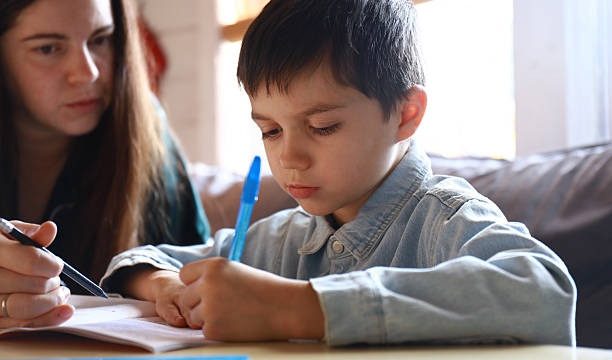
A deep understanding of individual student needs is one of the cornerstones of effective teaching. Every student comes with their own set of experiences, strengths, and challenges. By taking the time to get to know each student, teachers can tailor their approaches to meet diverse learning styles. This personalized attention fosters a sense of belonging among students, making them feel valued and understood. When students see that their teachers genuinely care about their well-being, they are more likely to engage fully in the learning process.
Creating a positive classroom culture is another essential competency for teachers. A warm, inviting classroom atmosphere encourages collaboration and mutual respect. Teachers can promote this culture by modeling positive behavior, celebrating diversity, and encouraging open communication. When students feel safe and supported, they are more willing to share their thoughts and ideas, leading to richer discussions and deeper learning experiences. This sense of community not only benefits academic growth but also nurtures social skills that are crucial for life beyond the classroom.
In addition to fostering a positive environment, effective teachers also demonstrate adaptability. The classroom is an ever-changing landscape, filled with unexpected challenges and opportunities. Being flexible allows teachers to respond to the dynamic needs of their students. Whether it’s adjusting lesson plans on the fly or finding alternative methods to explain a concept, adaptability is key to effective teaching. This willingness to pivot not only helps students grasp difficult material but also teaches them the value of resilience and problem-solving.
Furthermore, strong communication skills are essential for teachers aiming to strengthen classroom support. Clear, open communication with students, parents, and colleagues creates a collaborative atmosphere that benefits everyone involved. Teachers who actively listen and engage in meaningful conversations can better understand the concerns and aspirations of their students. This connection fosters trust and empowers students to express their thoughts, creating a richer learning environment.
A small shift toward balance can also make a significant difference in a teacher’s effectiveness. The demands of teaching can often lead to burnout if not managed properly. Teachers who prioritize self-care and maintain a healthy work-life balance are better equipped to support their students. By modeling self-care practices, teachers can encourage students to recognize the importance of their own well-being. This holistic approach not only benefits teachers but also instills valuable life lessons in students.
Incorporating technology thoughtfully is another competency that can enhance classroom support. In today’s digital age, technology can be a powerful tool for learning. Teachers who embrace technology can create interactive and engaging lessons that cater to various learning preferences. Whether through educational apps, online resources, or virtual collaboration, technology opens up a world of possibilities. However, it is essential for teachers to strike a balance, ensuring that technology enhances rather than detracts from the learning experience.
Moreover, fostering a growth mindset is vital for both teachers and students. When educators model a love for learning and emphasize the value of effort over innate ability, they inspire their students to adopt a similar mindset. This approach encourages students to view challenges as opportunities for growth rather than obstacles to success. A classroom that celebrates effort and resilience cultivates a culture of perseverance, preparing students to face future challenges with confidence.
Effective teachers are also lifelong learners themselves. Embracing professional development opportunities and seeking out new knowledge allows educators to stay current with best practices in teaching and learning. By continually refining their skills, teachers not only enhance their own effectiveness but also serve as role models for their students. This commitment to growth sends a powerful message about the importance of education and self-improvement.
Lastly, collaboration with colleagues can greatly enhance a teacher’s ability to support students. Working together with fellow educators fosters a sense of community and shared purpose. Teachers can exchange ideas, share resources, and collaborate on projects, creating a richer educational experience for their students. This collaborative spirit not only enhances teaching practices but also reinforces the idea that learning is a communal effort.
In conclusion, the competencies that strengthen classroom support are multifaceted and deeply interconnected. By understanding individual student needs, creating a positive culture, demonstrating adaptability, and fostering open communication, teachers can create an environment where all students thrive. Emphasizing balance, incorporating technology thoughtfully, nurturing a growth mindset, committing to lifelong learning, and collaborating with colleagues are all essential components of effective teaching. These competencies not only enhance the educational experience but also contribute to the overall well-being of both teachers and students alike. As educators continue to grow and evolve, they play a pivotal role in shaping the future, one classroom at a time.