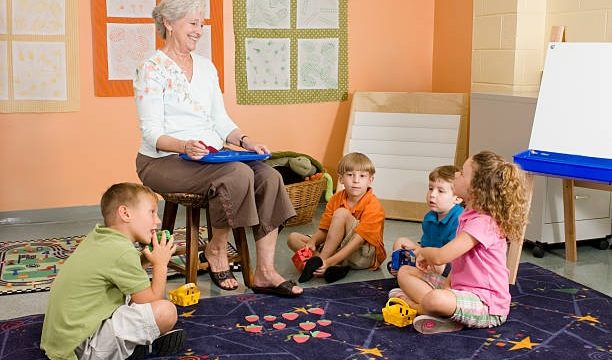
Teaching reading in kindergarten is a delightful journey, both for children and educators.
It’s a time filled with discovery, wonder, and the joy of learning.
As little ones take their first steps into the world of letters and words, finding fun and engaging ways to teach reading can make a lasting impact. Here are some creative strategies that can help kindle a love for reading in young learners.
Creating a print-rich environment is an excellent starting point. Surrounding children with books, labels, and signs helps them see the relevance of reading in everyday life. Consider setting up cozy reading nooks filled with colorful books that cater to various interests. This inviting atmosphere encourages children to explore the written word freely. Adding elements like a word wall or a “book of the week” display can also spark curiosity and excitement about literacy.
Storytime can be transformed into an enchanting experience. Choosing books with vibrant illustrations and engaging narratives can captivate young minds. To add an interactive twist, consider using props or puppets that align with the story. Children love to participate, and using these tools can help them connect more deeply with the characters and themes. Encourage them to act out parts of the story or predict what might happen next. This not only makes reading enjoyable but also nurtures their comprehension skills.
Incorporating music and rhythm into reading lessons can be incredibly effective. Songs and rhymes that emphasize phonetic sounds help children develop their listening skills while making learning fun. Consider creating a playful routine where children can sing songs related to letters or sounds. Movement can be integrated as well; for instance, clapping hands to the syllables of words or dancing to a catchy tune can reinforce their understanding of language in a lively way.
Games are another wonderful avenue for teaching reading. Simple word games, such as letter scavenger hunts or sight word bingo, can make learning feel like play. These activities not only enhance reading skills but also foster a sense of teamwork and collaboration among peers. When children engage in friendly competition, they often become more motivated to learn, making the process enjoyable and memorable.
Encouraging storytelling is an empowering way to develop literacy skills. Children can create their own stories, either orally or in written form. Providing them with prompts or themes can help spark their imaginations. This practice not only enhances their narrative skills but also builds confidence in their ability to express thoughts and ideas. Sharing these stories with classmates or family members can further validate their efforts and inspire a love for storytelling.
Integrating technology in a balanced way can also enrich the reading experience. There are numerous educational apps and websites designed to make reading interactive and engaging. These tools can complement traditional teaching methods, offering children opportunities to explore and learn at their own pace. However, it’s essential to ensure that screen time is moderated and that activities remain focused on developing literacy skills.
Incorporating art into reading lessons can create a multisensory experience. After reading a story, children can engage in creative activities, such as drawing their favorite scene or character. These projects allow them to express their understanding of the narrative visually. Art can also serve as a bridge to discussions about the story, fostering deeper connections and insights into the material.
Family involvement plays a crucial role in a child’s reading journey. Encouraging parents to participate in reading activities at home can enhance their child’s literacy development. Suggesting simple practices, like reading together daily or discussing books during family time, can help reinforce the importance of reading. When families actively engage in their children’s learning, it creates a supportive environment that nurtures a lifelong love of reading.
Creating themed reading weeks can add an element of excitement to the classroom. Focusing on a specific topic, such as animals or space, allows children to dive deeper into subjects that interest them. Incorporating books, activities, and discussions around the theme can create a cohesive learning experience. Children will appreciate the variety and may even discover new interests along the way.
Encouraging peer interactions through reading buddies can also enrich the learning experience. Pairing older students with kindergarteners for reading sessions can foster a sense of community and mentorship. Children often feel motivated when they read to someone else, and the older students gain valuable experience in guiding and supporting younger peers. This collaborative approach not only enhances reading skills but also builds relationships within the school community.
As children progress in their reading journey, celebrating their achievements is vital. Whether it’s completing a book, mastering a set of sight words, or simply developing a new interest in reading, acknowledging these milestones can boost their confidence. Consider implementing a reading rewards system or hosting a small celebration to recognize their efforts. This positive reinforcement helps cultivate a mindset that values growth and learning.
Lastly, maintaining a gentle, patient approach is essential in teaching reading. Every child learns at their own pace, and it’s important to honor their individual journeys. Providing encouragement and support, while being attuned to their unique needs, can create a nurturing environment that fosters a love for reading. When children feel safe and valued, they are more likely to embrace challenges and explore new ideas.
In conclusion, teaching reading in kindergarten can be a joyful and rewarding experience. By incorporating fun and engaging methods, educators can ignite a passion for literacy in young learners. Whether through interactive storytimes, creative activities, or family involvement, the possibilities are endless. As children embark on their reading adventures, they are not just learning to read; they are discovering a world of imagination, exploration, and connection.