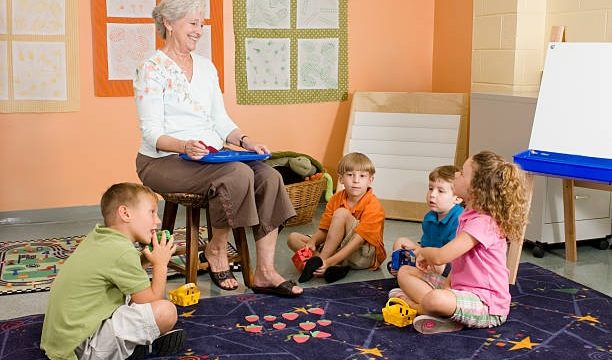
In the vibrant world of early childhood education, music plays an enchanting role.
Kindergarten songs are not merely catchy tunes; they are tools that enrich young minds, nurture creativity, and foster a love for learning.
These melodies and rhythms transform the sometimes daunting task of learning into an engaging and joyful experience. As parents and educators, understanding the magic behind these songs can help us harness their power to teach and entertain in delightful ways.
The joy of learning through song is rooted in the natural curiosity of children. From the moment they enter the world, children are surrounded by sounds, and music is one of the most captivating. Kindergarten songs often incorporate playful lyrics and simple melodies that resonate with young listeners. This fusion of fun and education creates an environment where children feel free to explore concepts and ideas without fear or hesitation.
One of the most enchanting aspects of kindergarten songs is their ability to teach foundational skills. Songs about the alphabet, numbers, and colors are particularly effective. For instance, the classic “ABC” song not only introduces children to the letters of the alphabet but also helps them understand the rhythm of language. As they sing along, they are not just memorizing letters; they are developing phonemic awareness, which is crucial for reading later on.
In addition to language skills, kindergarten songs can introduce young learners to basic math concepts. Songs that incorporate counting and simple addition or subtraction allow children to engage with numbers in a fun way. The repetitive nature of music helps reinforce these concepts, making them more memorable. When children sing about counting ducks or sharing apples, they are not just learning math; they are also building social skills and understanding the importance of cooperation and sharing.
The themes of kindergarten songs often reflect the seasons, animals, and everyday experiences, which can help children make connections to the world around them. For example, songs about the changing seasons can inspire curiosity about nature and the environment. As children sing about the colors of autumn leaves or the sounds of spring rain, they learn to appreciate the beauty and diversity of their surroundings. This connection to nature can foster a sense of wonder and responsibility for the world they inhabit.
Another beautiful aspect of kindergarten songs is their ability to promote emotional intelligence. Many songs explore themes of friendship, kindness, and empathy. Through music, children learn to express their feelings and understand the emotions of others. When they sing about sharing toys or being a good friend, they are internalizing values that are essential for healthy social interactions. These lessons become ingrained in their behavior, encouraging them to navigate relationships with compassion and understanding.
In the classroom, kindergarten songs often serve as a bridge between different activities. Transitioning from one task to another can sometimes be challenging for young children, but a familiar tune can make this shift seamless. When it’s time to clean up or move to a new activity, a cheerful song can turn what might feel like a chore into a fun and engaging experience. This not only keeps the atmosphere lighthearted but also helps children develop a sense of routine and structure.
The power of music extends beyond the classroom and into the home. Parents can easily incorporate kindergarten songs into daily life, turning mundane tasks into joyful bonding experiences. Whether it’s singing while preparing a meal, cleaning up toys, or getting ready for bed, these songs can create a harmonious environment that nurtures connection and learning. Sharing these moments through music can strengthen family bonds and create lasting memories.
As children grow, the songs they learn in kindergarten can continue to benefit them. The skills and values instilled through these early musical experiences lay the groundwork for future learning. The love for music often persists, leading children to explore various musical genres and instruments as they mature. This exploration can enhance their cognitive development, creativity, and even their emotional well-being.
In a world filled with distractions, the simplicity and joy of kindergarten songs remind us of the importance of play in learning. They invite children to express themselves freely, embrace their creativity, and connect with others. As educators and parents, we can cultivate an environment where music flourishes, allowing children to thrive in their learning journeys.
Ultimately, kindergarten songs serve as a gentle reminder that education can be an enjoyable adventure. They teach essential skills while igniting a passion for learning that can last a lifetime. By incorporating music into our daily routines, we create opportunities for laughter, connection, and growth, enriching the lives of our little ones in ways that go far beyond the classroom.
As we reflect on the power of music in early education, let us celebrate the joy and wonder that kindergarten songs bring to our children’s lives. Whether through simple melodies, playful lyrics, or shared moments of singing, we can foster an environment where learning is not just a task but a delightful journey filled with discovery and joy.