In a world that often feels fast-paced and demanding, finding gentle ways to engage and nurture our minds and spirits is essential.
One delightful avenue to explore this is through the beautiful combination of music and play.
The act of learning through these mediums not only enriches our experiences but also fosters connections, creativity, and joy.
Music has a unique ability to touch the soul. It transcends language barriers and communicates emotions in ways that words sometimes cannot. From lullabies that soothe infants to complex symphonies that inspire awe, music plays a fundamental role in human development and culture. For children, the benefits of engaging with music are manifold. Research suggests that exposure to music can enhance cognitive abilities, improve language skills, and even boost emotional intelligence. The rhythm and melody can help children grasp concepts more easily and develop a love for learning.
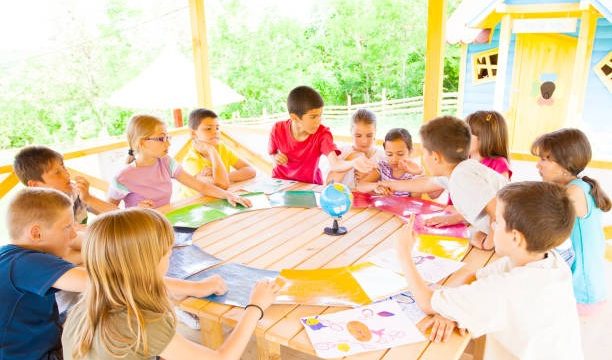
As we introduce music into the learning environment, it becomes a powerful tool for exploration. Singing songs can teach counting, the alphabet, or even the names of animals. When children get to move and dance along, they not only learn the content but also connect with it on a physical level. This kinesthetic engagement solidifies the knowledge in their minds, making it more memorable. Imagine a classroom where children sing their multiplication tables or dance to the rhythm of a story; the learning experience transforms into something vibrant and enjoyable.
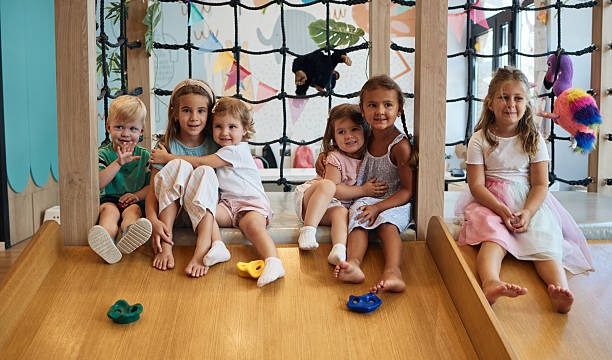
Incorporating play into this mix further amplifies the benefits. Play is often considered the work of children. It is through play that they explore their environment, test boundaries, and develop social skills. When music and play intersect, the possibilities are endless. Musical games can foster teamwork and cooperation, encouraging children to work together towards a common goal. Whether it’s a simple game of musical chairs or a collaborative performance, the essence of play combined with music nurtures relationships and builds community.
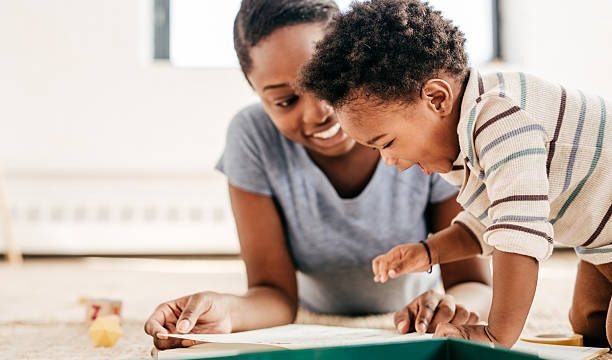
Creating an environment that encourages this type of learning can be as simple as setting aside time for music and play. Families can incorporate music into their daily routines by playing songs during meals, creating dance parties in the living room, or exploring musical instruments together. These moments not only create cherished memories but also lay a foundation for lifelong learning. Children learn to associate music with joy and creativity, which can inspire them to continue exploring the arts as they grow.
For those who may not have a musical background, engaging with music doesn’t have to be daunting. Simple actions like clapping to a beat, humming a melody, or using everyday objects as instruments can spark creativity without requiring formal training. The goal is to enjoy the process and allow the music to flow naturally into daily life. By doing so, we can help children feel comfortable expressing themselves and discovering their unique musical voices.
As children grow, the lessons learned through music and play can extend beyond childhood. The skills they develop—such as listening, collaboration, and creative thinking—are invaluable throughout life. In adulthood, these skills can enhance personal relationships and professional endeavors. People who engage with music often find it to be a source of solace and inspiration, providing a creative outlet for stress relief and self-expression.
Engaging with music and play can also be beneficial for adults. Many of us may have fond memories of singing in the shower or dancing at home after a long day. These simple acts can be more than just moments of joy; they can also serve as a form of mindfulness. When we immerse ourselves in music, we step away from our worries and become present in the moment. This practice can help reduce stress and promote a sense of well-being.
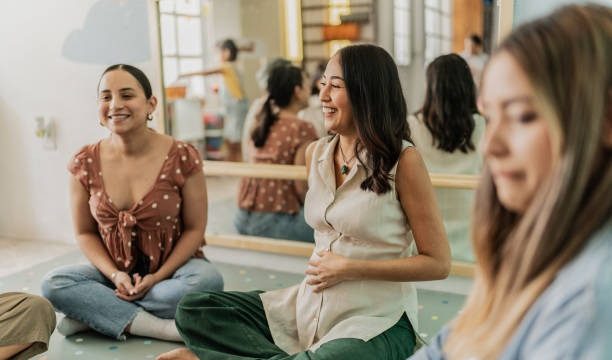
Moreover, adult music groups or community classes present opportunities to connect with others who share similar interests. Whether it’s joining a choir, participating in a drumming circle, or taking a dance class, these activities foster a sense of belonging. They allow us to create connections and build relationships, enriching our lives with shared experiences and mutual support.
Incorporating music and play into our lives doesn’t require grand gestures or elaborate plans. It can be as simple as taking a few moments each day to listen to a favorite song, engage in a playful activity, or create an impromptu dance party with loved ones. These small shifts can lead to significant changes in our well-being and outlook on life.
As we nurture ourselves and our loved ones through the rhythms of music and the joy of play, we cultivate a space for creativity, connection, and growth. Learning through these mediums is not just about acquiring knowledge; it’s about embracing the journey, celebrating the process, and allowing ourselves to experience the full spectrum of human emotions.
In a society that often prioritizes productivity, it’s essential to remember the value of play and music as tools for learning and growth. Whether we are young or old, engaging with these elements can enrich our lives in profound ways. So, let’s take a moment to turn up the music, embrace the joy of play, and allow ourselves to learn and grow together. In doing so, we may just find that the path to knowledge is best traveled with a song in our hearts and a playful spirit guiding the way.