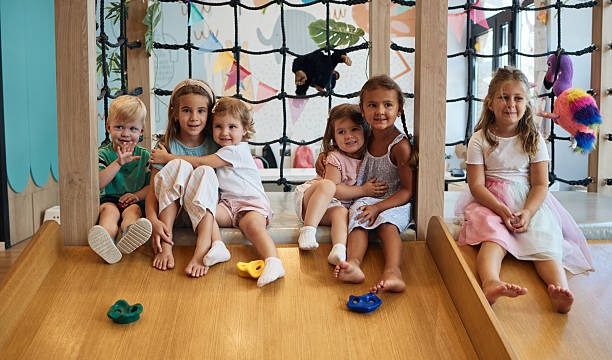
In the vibrant world of preschoolers, learning can be a delightful adventure filled with curiosity and wonder.
As parents and caregivers, we have the beautiful opportunity to shape their early experiences and make education a joyous journey rather than a chore.
With a sprinkle of creativity and a dash of enthusiasm, we can transform everyday moments into exciting learning opportunities that captivate their imaginations.
One of the most effective ways to make learning exciting for preschoolers is to tap into their natural curiosity. Children at this age are like sponges, soaking up everything around them. They are eager to explore, ask questions, and experiment. Embracing their inquisitive nature can lead to playful learning experiences that feel less like lessons and more like adventures. For instance, turning a simple nature walk into an exploration of colors, shapes, and sounds can ignite their senses and encourage them to observe the world around them. As you stroll through the park, point out the vibrant hues of flowers, the different shapes of leaves, and the sounds of birds chirping. This not only makes learning engaging but also fosters a deeper appreciation for nature.
Creating a rich, stimulating environment is another key factor in making learning exciting. A well-organized space filled with various materials can inspire creativity and exploration. Consider incorporating a variety of learning stations that cater to different interests. A reading nook with cozy cushions and an array of books can invite children to dive into stories. An art corner stocked with paints, crayons, and craft supplies can unleash their creativity. A science station with simple experiments or nature collections can satisfy their curiosity about the world. By providing a diverse range of activities, you allow children to choose what excites them most, fostering a sense of autonomy and motivation.
Integrating play into learning is essential for preschoolers, as they learn best through hands-on experiences. Play is their primary mode of communication and understanding, so why not harness its power? Activities such as role-playing, building with blocks, or engaging in imaginative play can teach valuable lessons while keeping the experience fun. For example, setting up a pretend grocery store can introduce concepts of counting, money, and social interaction. As they “purchase” items, they practice essential mathematical skills and learn about the value of cooperation. This blend of play and education creates a joyful atmosphere where learning feels effortless and exciting.
Storytelling is another beautiful way to engage preschoolers and make learning come alive. Children are naturally drawn to stories, and they can serve as powerful tools for teaching important concepts. Whether you’re reading a beloved book or crafting your own tales, stories can introduce new vocabulary, ideas, and moral lessons. Encourage children to participate by asking questions or inviting them to predict what might happen next. You might even inspire them to create their own stories, allowing their imaginations to flourish. This not only enhances their language skills but also nurtures their creativity and critical thinking.
Incorporating music and movement into learning can also add a joyful rhythm to the educational experience. Music has a unique ability to capture attention and create a sense of excitement. Singing songs that teach numbers, letters, or even social skills can make learning memorable. Dance and movement activities can also support physical development while reinforcing concepts. For instance, you might play a game where children jump when they hear a specific word or dance to the beat while counting. These activities not only promote learning but also provide an outlet for energy and self-expression.
As we strive to make learning exciting, it’s important to remember the power of connection. Building strong relationships with preschoolers can significantly enhance their enthusiasm for learning. When children feel valued and understood, they are more likely to engage in the learning process. Take the time to listen to their thoughts, encourage their questions, and celebrate their achievements, no matter how small. This supportive environment fosters a love for learning and encourages them to take risks and explore new ideas.
A gentle shift toward balance can also enhance the learning experience. While it’s essential to keep things exciting, allowing for moments of calm and reflection is equally important. Incorporating quiet time into the daily routine can help children process what they’ve learned and recharge their energy. Activities such as mindfulness exercises, simple yoga, or even a few moments of silence can promote emotional well-being and focus. This balance between active engagement and restful reflection creates a holistic approach to learning that nurtures both the mind and spirit.
Lastly, involving preschoolers in their own learning journey can spark excitement and ownership. Encourage them to express their interests and preferences, and provide opportunities for them to make choices in their activities. Whether it’s selecting a book to read, choosing a craft project, or deciding how to explore a new topic, giving them a sense of control fosters a deeper connection to the learning experience. This autonomy not only empowers them but also cultivates a lifelong love for learning.
In conclusion, making learning exciting for preschoolers is about weaving joy, creativity, and connection into their everyday experiences. By embracing their natural curiosity, creating stimulating environments, integrating play, storytelling, music, and movement, and fostering strong relationships, we can nurture their love for learning. As we embark on this journey together, let’s remember that the goal is not just to teach but to inspire a lifelong passion for discovery, growth, and exploration. With a little imagination and a lot of heart, we can turn learning into an adventure that they will cherish for years to come.