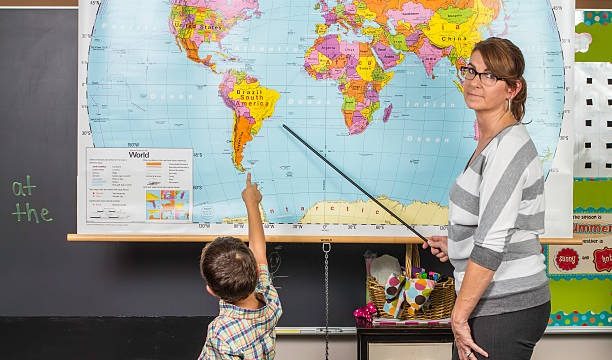
Pretend play is a delightful world where imagination knows no bounds.
As children engage in this whimsical activity, they dive into a realm filled with endless possibilities, transforming everyday moments into extraordinary adventures.
This playful exploration is not just about fun; it plays a significant role in cognitive growth. Through pretend play, children develop skills that will serve them well throughout their lives.
When children immerse themselves in pretend play, they step into various roles, mimicking adults and the world around them. Whether it’s playing house, pretending to be a doctor, or embarking on a pirate adventure, these scenarios allow them to explore different perspectives. This role-playing nurtures empathy, as they learn to understand and appreciate the feelings and viewpoints of others. By stepping into another’s shoes, children gain insight into social dynamics and develop important emotional skills.
The beauty of pretend play lies in its ability to cultivate creativity. Children are natural storytellers, and when they engage in imaginative play, they create narratives that reflect their experiences and observations. This storytelling aspect enhances their linguistic abilities, as they learn to articulate their thoughts and feelings. Vocabulary expands, sentence structure becomes more complex, and communication skills flourish. These verbal skills are essential not only for social interactions but also for academic success as they progress in their education.
In addition to language development, pretend play fosters critical thinking and problem-solving skills. As children navigate their imaginary worlds, they encounter challenges that require them to think on their feet. Whether they are figuring out how to rescue a stuffed animal from a tree or negotiating roles with their friends, they learn to strategize and make decisions. This type of cognitive flexibility is crucial as they grow, enabling them to adapt to new situations and think creatively in real-life scenarios.
Pretend play also offers a unique opportunity for children to explore and experiment with concepts from the real world. When a child plays at the grocery store, for instance, they might mimic the act of buying and selling, which introduces them to basic math concepts, such as counting and money management. Through these playful interactions, they grasp foundational knowledge in a way that feels engaging and relevant. This hands-on experience helps solidify their understanding of various subjects, making learning feel less like a chore and more like an exciting adventure.
As children engage in pretend play, they also develop their social skills. Interacting with peers during playtime encourages cooperation, negotiation, and conflict resolution. They learn to share, take turns, and navigate the complexities of friendship. These interactions are invaluable, teaching them how to communicate effectively and build relationships. The social skills acquired during these playful exchanges will serve them well as they move forward in life, whether in school, work, or personal relationships.
Moreover, pretend play often takes place in group settings, where children can collaborate and build off each other’s ideas. This collaborative environment fosters a sense of community and belonging. As they work together to create a shared narrative, they learn the importance of teamwork and the value of diverse perspectives. These experiences teach them how to listen, respect others’ contributions, and find common ground, laying the foundation for successful group dynamics in the future.
The benefits of pretend play extend beyond cognitive development; they also support emotional growth. Engaging in imaginative scenarios allows children to express their feelings in a safe and constructive way. Whether they are acting out a joyful celebration or navigating a challenging situation, they can explore emotions without the fear of judgment. This emotional exploration helps them build resilience, understand their feelings better, and develop coping mechanisms that will be invaluable as they face challenges in life.
As caregivers, it’s essential to create an environment that encourages pretend play. This can be as simple as providing open-ended toys, such as blocks, dolls, or art supplies, that inspire creativity. Setting aside time for unstructured play allows children to explore their imaginations freely. It’s also beneficial to join in their play occasionally, not to direct it but to engage and support their ideas. This involvement strengthens your bond and shows them that their creativity is valued.
Additionally, it’s important to recognize that pretend play can take many forms. It might happen in a backyard, a living room, or even a park. The setting is less important than the opportunity to engage in imaginative exploration. Whether it’s a solo endeavor or a group activity, the key is to provide a space where children feel safe to express themselves and explore their creativity.
As we reflect on the importance of pretend play, it becomes clear that it is a vital component of childhood development. It nurtures cognitive, social, and emotional growth, equipping children with the skills they need to navigate the complexities of life. By encouraging this playful exploration, we help them develop into well-rounded individuals who can think critically, empathize with others, and communicate effectively.
In a world that often feels fast-paced and demanding, let us cherish the simple joy of pretend play. It is in these moments of creativity and imagination that children not only find joy but also build the foundation for a bright future. So, whether you’re a parent, caregiver, or teacher, embrace the power of pretend play. Celebrate the magic of imagination, and watch as children thrive, growing into confident, capable individuals ready to take on the world.