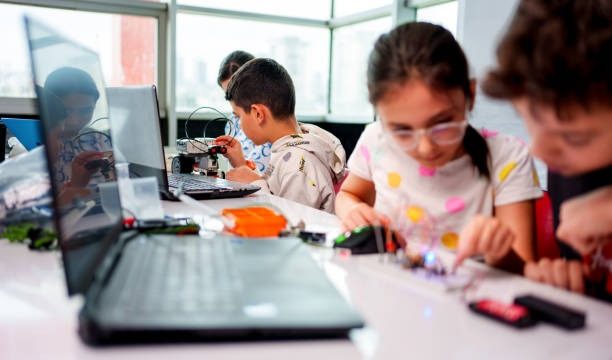
In today’s world, technology has woven itself into the very fabric of our daily lives.
From the moment we wake up to the time we go to bed, we interact with various forms of technology that enhance our experiences, streamline our tasks, and connect us to others.
For students, this integration of technology is particularly transformative, especially when it comes to collaboration and teamwork. As classrooms evolve into more dynamic spaces, the tools available for students to work together are becoming increasingly sophisticated and user-friendly.
The essence of collaboration among students is rooted in the idea that working together can elevate learning experiences. Technology plays a pivotal role in facilitating that collaboration, allowing students to connect and communicate seamlessly, regardless of their individual locations. With tools like video conferencing, instant messaging, and collaborative document editing, students can gather their thoughts and ideas in real-time. This not only fosters a sense of community but also encourages diverse perspectives, enriching the overall learning process.
One of the most significant advancements in recent years has been the rise of cloud-based platforms. These platforms enable students to store and share their work easily, making group projects more accessible than ever. Imagine a group of students working on a presentation for their history class. With the help of a shared document, they can each contribute their research and insights from different corners of the world. This flexibility removes barriers and allows creativity to flow, empowering students to take ownership of their projects while learning from one another in the process.
In addition to cloud storage, communication tools have become essential in fostering collaboration among students. Applications like Slack and Microsoft Teams offer spaces where students can discuss ideas, share resources, and provide feedback on each other’s work. These platforms mimic the experience of being in a traditional classroom while providing the added benefit of a digital environment. Students can ask questions, brainstorm together, and support one another, creating a virtual community that extends beyond the physical classroom walls.
A small shift toward balance can be seen in the way technology encourages inclusivity in group work. In traditional settings, some students may feel hesitant to voice their opinions in front of peers. However, technology allows for anonymous feedback and discussions, giving everyone a chance to contribute without the pressure of being in the spotlight. This can be particularly beneficial for shy or introverted students, ensuring that every voice is heard and valued. The result is a richer dialogue and a more comprehensive understanding of the subject matter at hand.
As students engage in collaborative work through technology, they also develop essential skills that will serve them well in their future endeavors. Working together requires effective communication, problem-solving, and critical thinking—skills that are increasingly sought after in the workforce. By learning to navigate group dynamics through the lens of technology, students are better equipped to handle challenges and collaborate efficiently in their careers down the line.
While the advantages of technology in fostering collaboration are significant, it’s important to remember the human element that underpins these tools. Technology should enhance connections, not replace them. Encouraging students to balance their digital interactions with face-to-face conversations can lead to deeper relationships and a more profound understanding of teamwork. Schools and educators can play a crucial role in guiding students toward this balance, emphasizing the importance of personal connections alongside digital collaboration.
As we look toward the future, the role of technology in education will only continue to grow. Innovations like virtual reality and artificial intelligence are on the horizon, promising to further enrich collaborative experiences. Imagine students exploring historical sites together in a virtual environment or working alongside AI to analyze data for a science project. These advancements will not only engage students but also push the boundaries of what collaborative learning can look like.
However, with great power comes great responsibility. It’s essential for both students and educators to approach technology mindfully, understanding its potential pitfalls. Cyberbullying, distractions, and information overload are real challenges that can arise in a tech-driven environment. By fostering a culture of respect and responsibility, students can learn to navigate these challenges while reaping the benefits of collaboration.
In many ways, the integration of technology into collaborative learning mirrors the broader trends of our society. We are living in a time when connection is more important than ever, and technology serves as a bridge that brings people together. For students, this means not only gaining knowledge but also cultivating relationships that can last a lifetime. As they collaborate, they learn from each other, grow together, and build a sense of belonging that can be hard to find in today’s fast-paced world.
Ultimately, the journey of collaboration through technology is about more than just completing assignments. It is about fostering a sense of community, encouraging creativity, and preparing students for the world ahead. As they work together, they develop skills and friendships that will support them throughout their lives. In this ever-evolving landscape, technology will continue to play a crucial role, but it is the human connections that will remain at the heart of collaborative learning. Embracing both the digital and the personal, students can carve out a path that leads to shared success and lasting memories.