In today’s digital age, the ability to code has become an essential skill, not just for tech enthusiasts but for everyone.
For beginners and kids, learning to code is more than just acquiring a new skill; it’s about opening doors to creativity, problem-solving, and a deeper understanding of the world around us.
As we dive into the journey of coding, we discover how it can be a gentle introduction to a world of possibilities.
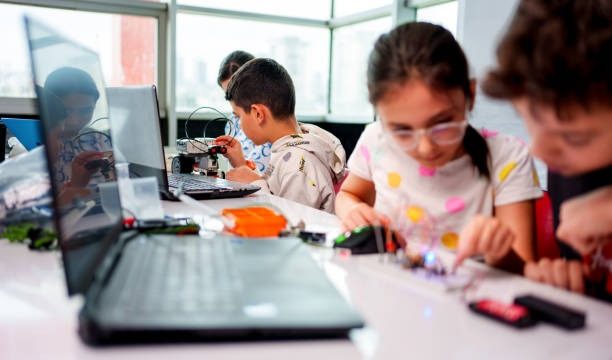
Understanding the allure of coding is the first step. It’s like learning a new language, one that speaks to computers and technology. For children, coding can feel like magic. They can create games, design websites, or even program robots. This sense of empowerment is invaluable, fostering a sense of achievement and confidence. When kids see their code come to life, whether it’s a simple animation or a game they designed, they experience a joy that can spark a lifelong passion for learning.
For beginners, the journey often starts with the basics. There are many resources available today that make learning to code accessible and enjoyable. Online platforms, coding camps, and community workshops provide a supportive environment for newcomers. These resources often use gamified approaches to make learning engaging. By turning the process into a game, children and beginners alike can enjoy the experience, making mistakes along the way without the fear of failure.
As with any new venture, finding the right starting point is essential. There are various programming languages, each with its unique charm and purpose. Scratch, for example, is a wonderful introduction for younger children. Its visual interface allows kids to drag and drop code blocks, making it easy to understand the logic behind programming without being overwhelmed by syntax. As they grow more comfortable, they might transition to languages like Python or JavaScript, which are also beginner-friendly and widely used in the industry.
Creating a supportive learning environment is another crucial element in this journey. For parents, encouraging curiosity and exploration can make all the difference. Engaging with children about their coding projects, asking questions, and celebrating their successes fosters a positive atmosphere. This shared experience not only strengthens the parent-child bond but also instills a love for learning and discovery. It’s about being present, showing interest, and allowing kids to express their creativity freely.
For those who are new to coding, it’s helpful to remember that everyone learns at their own pace. The beauty of coding lies in its iterative nature; it’s all about trial and error. Mistakes are not setbacks but stepping stones toward understanding. Encouraging a mindset that embraces challenges can help beginners see coding as a puzzle to be solved rather than a daunting task. This perspective fosters resilience, a quality that extends beyond the screen.
As children and beginners delve deeper into coding, they often uncover a sense of community. Online forums, coding clubs, and local meetups offer spaces where individuals can share their projects, seek advice, and collaborate. Being part of a community can be incredibly motivating. It provides a network of support and inspiration, reinforcing the idea that learning is a shared journey. This sense of belonging can help sustain interest and enthusiasm over time.
Incorporating coding into daily life can also enhance the learning experience. Encouraging kids to think about coding in the context of their interests can make the subject feel more relevant. If a child loves storytelling, they might explore how to create an interactive story using code. For those interested in art, coding can be a medium for creating digital artwork or animations. This personalized approach helps bridge the gap between coding and everyday life, demonstrating that technology is not just a tool but a canvas for creativity.
As we reflect on the journey of learning to code, it’s essential to acknowledge the potential benefits it brings beyond technical skills. Coding encourages logical thinking, improves problem-solving abilities, and nurtures creativity. These skills are invaluable in today’s world, where technology continues to play an integral role in nearly every aspect of life. By fostering a love for coding, we are equipping the next generation with tools that will empower them to navigate an increasingly complex world.
For parents and educators, the goal should not be to produce the next tech giant but to inspire curiosity and a passion for learning. Encouraging exploration, creativity, and collaboration will help children develop a healthy relationship with technology. As they learn to code, they are not just learning to communicate with machines; they are learning to express themselves, to innovate, and to think critically.
In conclusion, the journey of learning coding for beginners and kids is a beautiful blend of creativity, problem-solving, and community. It’s about discovering new ways to express ideas and thoughts, all while having fun. As we embrace this journey, let’s focus on the joy of learning and the magic of bringing ideas to life through code. Whether it’s a simple game or a complex application, each step taken in the world of coding is a step toward a brighter, more creative future. So, let’s encourage our young learners to explore, create, and, most importantly, enjoy the process of coding.