In a world where technology seems to be advancing at lightning speed, robotics has emerged as a captivating frontier.
From the playful robots that entertain our children to the sophisticated machines that assist in various industries, the field of robotics is as diverse as it is fascinating.
But what does this mean for us, the everyday individuals navigating our lives? Join me on a friendly journey into the realm of robotics, where innovation meets our daily experiences.
A gentle introduction to robotics reveals a landscape filled with possibilities. It’s easy to think of robots as cold, metallic beings, but the reality is far more inviting. Robotics encompasses a variety of fields, including engineering, computer science, and even art. At its core, robotics is about creating machines that can perform tasks—often with incredible precision and efficiency. As we delve deeper, we find that these machines are designed to enhance our lives rather than replace them.
Consider the home assistants that have become commonplace in many households. Devices like smart speakers have transformed the way we interact with technology. They can play our favorite music, answer questions, and even help us manage our schedules. These friendly gadgets exemplify how robotics can seamlessly integrate into our daily routines, making life just a little bit easier.
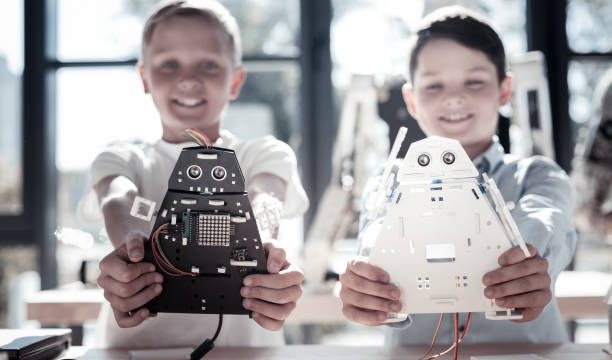
As we explore further, we encounter the world of educational robotics. Schools around the globe are introducing children to the basics of robotics and programming, sparking interest in science and technology at an early age. Through hands-on activities, students learn to build and program their own robots, fostering creativity and critical thinking. This early exposure not only equips them with valuable skills but also nurtures a sense of curiosity about the world around them.
The beauty of robotics is its ability to bridge gaps. In healthcare, for example, robotic technologies assist surgeons in performing complex procedures with remarkable accuracy. While the concept of robots in surgery may seem intimidating, these machines are designed to support medical professionals, allowing them to focus on what they do best. The collaboration between human expertise and robotic precision creates a harmonious balance that ultimately benefits patients.
In agriculture, robots are making strides as well. Automated systems help farmers monitor crops, manage resources, and increase yields. Imagine drones soaring over fields, capturing data that can inform better farming practices. This innovative approach not only enhances productivity but also promotes sustainability, ensuring that we can nourish our growing population without compromising the health of our planet.
The industrial sector, too, has embraced robotics, streamlining production processes and improving safety. Robotic arms perform repetitive tasks with speed and accuracy, freeing human workers to tackle more complex challenges. This shift can lead to a more fulfilling work environment, where creativity and problem-solving take center stage. As industries evolve, the role of robotics continues to transform, emphasizing collaboration rather than competition.
As we reflect on these advancements, it becomes clear that robotics is not about replacing humans but rather augmenting our capabilities. The emotional connection we form with technology can be profound. Think of the robots designed to provide companionship, particularly for the elderly or those in need of support. These friendly machines can offer a listening ear, engage in conversation, and even remind individuals to take their medications. In this way, robotics can enhance our social fabric, fostering connections where they might otherwise be lacking.
A small shift toward balance is essential as we navigate the world of robotics. While the benefits are numerous, it’s crucial to approach this technology with mindfulness. As with any innovation, there are ethical considerations to ponder. Questions about privacy, job displacement, and the implications of reliance on machines are important discussions to engage in. By staying informed and actively participating in these conversations, we can shape a future where technology serves humanity rather than the other way around.
As we embrace the possibilities that robotics offers, it’s also worth considering how we relate to these technologies on a personal level. Our homes, workplaces, and communities are increasingly filled with robotic innovations. It’s essential to cultivate a healthy relationship with these tools, recognizing their potential while maintaining our humanity. This balance can lead to a more fulfilling life, where technology enhances our experiences rather than detracts from them.
In the realm of leisure, robotics is making waves as well. From robotic vacuum cleaners that tirelessly keep our homes tidy to interactive toys that engage our children’s imaginations, the playful side of robotics invites us to enjoy life more fully. These innovations not only save us time but also allow us to focus on what truly matters—spending quality moments with loved ones, pursuing hobbies, or simply taking a moment to breathe.
As we continue our friendly journey into robotics, it’s important to remember that the heart of this technology lies in its potential to improve our lives. Whether through enhancing productivity, providing companionship, or even sparking creativity, robotics serves as a reminder of human ingenuity. As we navigate this ever-evolving landscape, let us embrace the opportunities that lie ahead while remaining grounded in our values and connections.
In conclusion, the world of robotics is an exciting and inviting space, filled with innovations that can enrich our lives in countless ways. By approaching this journey with curiosity and mindfulness, we can create a future where technology and humanity coexist harmoniously. So, let’s explore this fascinating field together, celebrating the ways in which robotics can enhance our everyday experiences and inspire us to reach new heights.