In a world where technology evolves at a breathtaking pace, the importance of hands-on learning has never been more evident.
As students navigate their educational journeys, they often find themselves yearning for opportunities that go beyond traditional classroom settings.
This is where robotics clubs come into play, offering a unique environment that fosters creativity, collaboration, and critical thinking. By engaging in robotics, students not only learn technical skills but also develop a deeper understanding of teamwork and problem-solving.
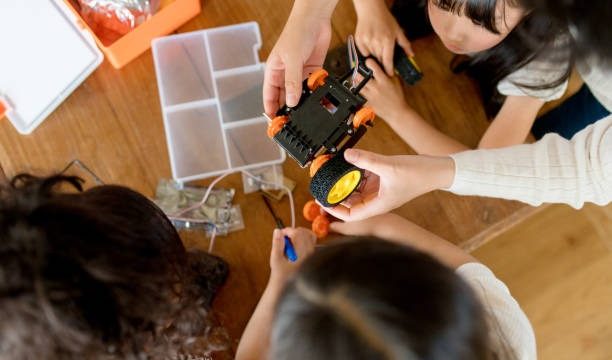
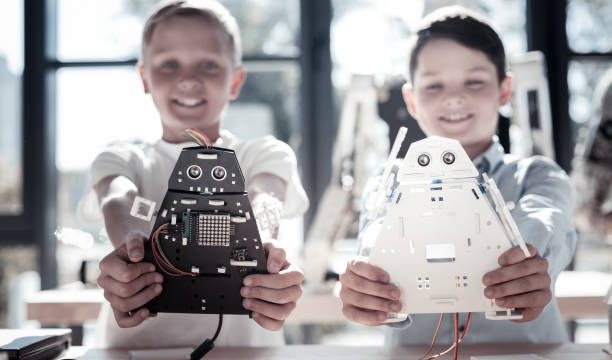
The essence of robotics clubs lies in their ability to provide a practical approach to learning. Unlike conventional subjects that may feel distant or abstract, robotics brings concepts to life in a tangible way. Students are encouraged to roll up their sleeves and dive into the intricacies of building and programming robots. This hands-on experience transforms theoretical knowledge into real-world applications, making learning more meaningful and enjoyable.
One of the most compelling aspects of robotics clubs is the sense of community they foster. Students from diverse backgrounds come together with a shared passion for technology and innovation. In this collaborative environment, they learn to communicate effectively, share ideas, and support one another in their projects. The bonds formed in robotics clubs often extend beyond the workshop, creating friendships that can last a lifetime. This sense of belonging is crucial for personal development, as it helps students build confidence and social skills.
As students embark on their robotics journey, they are often faced with challenges that require critical thinking and creativity. Whether it’s troubleshooting a malfunctioning robot or brainstorming new design ideas, the problems they encounter are opportunities for growth. This kind of experiential learning encourages students to think outside the box and approach obstacles with a positive mindset. They learn that failure is not the end, but rather a stepping stone toward success. This resilience is an invaluable life skill that extends far beyond the realm of robotics.
In addition to technical skills, robotics clubs also emphasize the importance of project-based learning. Students often work on team projects that require them to plan, design, and execute a functioning robot. This process involves not only technical know-how but also project management skills, as they learn to allocate tasks, set deadlines, and assess progress. The satisfaction of seeing a project come to fruition is a powerful motivator, instilling a sense of accomplishment that fuels their passion for learning.
The integration of technology in education is essential for preparing students for the future. Robotics clubs serve as a bridge between theoretical concepts and practical applications, equipping students with relevant skills for a rapidly changing job market. As they navigate the complexities of robotics, students become proficient in programming languages, engineering principles, and even electronics. These skills are not only valuable in the field of robotics but are also transferable to various industries, making them well-rounded individuals ready to tackle the challenges of tomorrow.
Moreover, robotics clubs often encourage interdisciplinary learning. Students draw upon knowledge from science, technology, engineering, and mathematics (STEM) as they design their robots. This holistic approach to learning helps them see the interconnectedness of different subjects and fosters a deeper appreciation for the sciences. By engaging in hands-on projects, students are more likely to retain information and develop a genuine interest in these fields.
Another significant benefit of participating in a robotics club is the opportunity to engage in competitions. These events allow students to showcase their skills and creativity while fostering a healthy sense of competition. Preparing for competitions requires teamwork, dedication, and perseverance, all of which are essential qualities for success in any endeavor. The experience of presenting their work to peers and judges not only boosts their confidence but also provides valuable feedback that can help them improve.
As robotics clubs continue to grow in popularity, they also play a crucial role in promoting diversity in STEM fields. By creating inclusive environments, these clubs encourage students from all backgrounds to explore their interests in technology and engineering. This diversity enriches the learning experience, as different perspectives lead to innovative solutions and ideas. Robotics clubs can serve as a catalyst for change, inspiring the next generation of engineers, scientists, and innovators.
Ultimately, the impact of robotics clubs on students extends far beyond the realm of technology. The hands-on learning experiences they provide help cultivate essential life skills such as communication, collaboration, and critical thinking. As students engage in building and programming robots, they also discover their passions and develop a sense of purpose. This journey of exploration and discovery is what makes robotics clubs a vital part of modern education.
In conclusion, the encouragement of hands-on learning through robotics clubs is a transformative experience for students. These clubs create a vibrant community where creativity flourishes, friendships are formed, and skills are honed. By embracing the challenges and joys of robotics, students not only prepare themselves for future careers but also embark on a lifelong journey of learning and growth. As we continue to navigate an increasingly technological world, the importance of these clubs in shaping the next generation cannot be overstated. Through their hands-on experiences, students find not just knowledge, but inspiration and a sense of belonging in a world full of possibilities.