In our rapidly evolving world, technology has woven itself into the fabric of our daily lives.
It influences how we communicate, learn, and even how we relax.
As a result, technology education has become increasingly important, not just for the younger generations but for every age group. Understanding technology can enhance our lives, foster connections, and open doors to new opportunities, regardless of where we stand in life’s journey.
The younger generation has grown up in an era where technology is ubiquitous. From smartphones to tablets and social media, children today are often more tech-savvy than their parents. However, this does not mean that older adults should shy away from embracing technology. In fact, technology education can bridge gaps between generations, fostering understanding and collaboration while enriching lives.
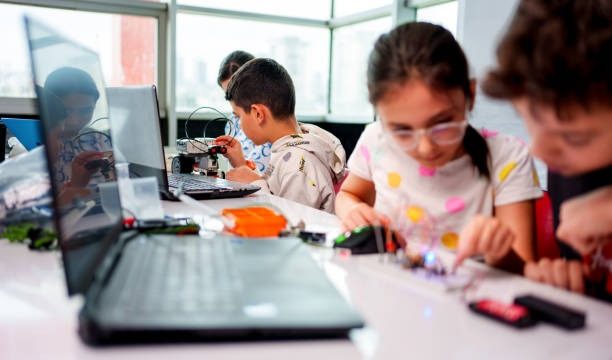
A small shift toward balance can start with simple steps. For children, incorporating technology into learning can be both fun and beneficial. Many schools now offer coding classes and robotics clubs, igniting curiosity and creativity. These initiatives not only teach valuable skills but also encourage teamwork and problem-solving. Parents can play an essential role in this journey by participating in their children’s learning experiences. Together, they can explore educational apps, engage in interactive games, or even build simple projects at home. This shared experience strengthens the parent-child bond while making learning enjoyable.
For teenagers, the world of technology opens up a treasure trove of opportunities. This age group often finds themselves balancing academics with extracurricular activities, and technology can serve as a powerful ally. Online resources can enhance their studies, providing access to a wealth of information at their fingertips. Platforms offering tutorials, lectures, and study guides can help them grasp complex concepts more easily. Additionally, teenagers can cultivate skills in digital literacy, a crucial aspect of today’s job market, by participating in online courses or workshops.
It is equally important for adults to engage with technology, and the benefits can be profound. In today’s workplace, a solid understanding of technology is often crucial for career advancement. Adult education programs frequently offer courses in various tech-related fields, from basic computer skills to more advanced topics like data analysis or digital marketing. Engaging in these learning opportunities can not only enhance career prospects but also boost confidence in navigating the digital landscape.
The journey of technology education doesn’t stop there. As we age, the need to stay connected with loved ones and the world around us becomes more important. Seniors, in particular, can benefit immensely from embracing technology. Learning to use smartphones or tablets can help them stay in touch with family and friends, access information, and even manage their health. Community centers and local libraries often provide classes tailored specifically for older adults. These classes create a welcoming environment where seniors can learn at their own pace, ask questions, and share experiences.
Creating a supportive environment is essential for all age groups. Families can foster a culture of learning by encouraging open discussions about technology. Sharing experiences, challenges, and successes can make the learning process feel less daunting. For instance, grandparents can ask their grandchildren to teach them how to use social media or video conferencing tools. This not only empowers them but also provides an opportunity for meaningful interactions that strengthen familial bonds.
As we navigate the complexities of technology, it’s crucial to be mindful of the potential challenges that come with it. The digital world can sometimes feel overwhelming, filled with information overload and rapid changes. Recognizing this, educators and parents can help learners of all ages find a healthy balance. Encouraging regular breaks from screens, promoting face-to-face interactions, and fostering hobbies that don’t involve technology can contribute to a more rounded lifestyle.
Incorporating technology into daily life can also enhance overall well-being. For instance, numerous apps focus on mental health, mindfulness, and fitness. These tools can help individuals monitor their progress, set goals, and find motivation. Technology can also facilitate access to online support groups, connecting individuals with similar experiences and fostering a sense of community. By integrating technology into their wellness routines, people can create a personalized approach to health that suits their lifestyle.
As we reflect on the importance of technology education for every age group, it becomes clear that this journey is about more than just acquiring skills. It is about fostering connections, nurturing curiosity, and promoting a sense of empowerment. Technology has the potential to enrich our lives, and embracing it can open doors to new experiences and opportunities.
In our quest for knowledge, patience is key. Each age group has its unique learning pace and style. For some, grasping new technology may come easily, while others may require more time and support. It is essential to celebrate small victories along the way, recognizing that progress is often made in increments, not leaps.
Ultimately, technology education is a lifelong journey, one that encourages us to stay curious, adaptable, and open-minded. By fostering a culture of learning that encompasses all ages, we can create a society that values knowledge and connection. In doing so, we empower ourselves and those around us to thrive in an ever-changing world, one where technology serves as a bridge rather than a barrier.
As we move forward, let us embrace the opportunities that technology presents and support one another in this journey. Whether we are teaching a child to code, helping a teenager navigate online resources, or guiding a senior through the intricacies of a smartphone, every moment spent in this shared learning experience contributes to a richer, more connected life.