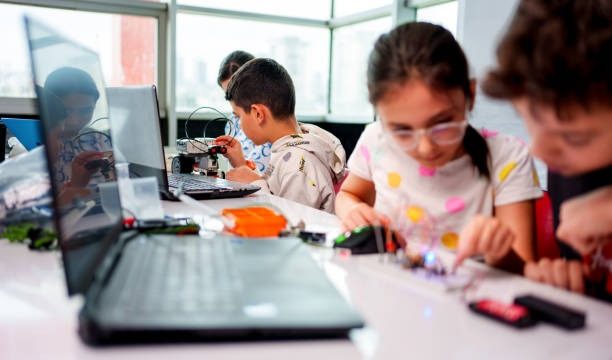
In today’s fast-paced world, where technology shapes our everyday lives, learning to code can feel like a valuable skill to cultivate.
The good news is that you don’t need to enroll in a formal class or relocate to a tech hub.
With determination and a little guidance, you can learn coding step by step from the comfort of your home.
Creating a nurturing environment for your coding journey is essential. Start by carving out a dedicated space in your home where you can focus. This doesn’t need to be a separate office; it can be a cozy corner of your living room or even a quiet nook in your bedroom. The key is to make it feel inviting and free from distractions. Surround yourself with items that inspire you, perhaps a plant or a favorite piece of art. This small shift can help create a sense of balance and readiness as you embark on your learning adventure.
As you dive into the world of coding, it’s beneficial to choose a programming language that resonates with your interests. Popular options like Python, JavaScript, or Ruby have their unique strengths and applications. Python, for instance, is often recommended for beginners due to its straightforward syntax and versatility. It’s widely used in data analysis, web development, and even artificial intelligence. On the other hand, if you’re drawn to web development, JavaScript is a fantastic choice, as it allows you to create dynamic and interactive websites. Take a moment to reflect on what excites you most about coding, and let that guide your choice.
Once you’ve settled on a language, the next step is to seek out resources that suit your learning style. The internet is brimming with options, from online courses and tutorials to coding bootcamps and interactive platforms. Websites like Codecademy and freeCodeCamp offer hands-on exercises that make learning engaging and practical. If you prefer a more structured approach, consider enrolling in an online course through platforms like Coursera or Udemy. These platforms often provide video lectures and assignments that you can complete at your own pace, making it easy to fit learning into your schedule.
As you begin to explore coding, remember that practice is essential. Just like learning a musical instrument or a new language, coding requires regular engagement. Set aside a specific time each day or week to practice your skills. It doesn’t have to be hours on end; even 30 minutes of focused practice can yield significant progress over time. Celebrate your small victories as you tackle new concepts and complete projects. Each line of code you write is a step toward greater understanding and confidence.
Incorporating coding into your daily routine can also be a wonderful way to blend learning with relaxation. Consider setting up a coding “happy hour” where you unwind with a cup of tea or coffee while working on a project. This gentle approach can make the process feel less like a chore and more like a rewarding activity. If you find yourself feeling frustrated, take a break. Step outside for some fresh air or do a few stretches. Sometimes, a brief pause can clear your mind and help you return to your coding tasks with renewed energy and perspective.
Connecting with others who share your interest in coding can enhance your learning experience. Online communities, forums, and social media groups provide a space for you to ask questions, share your progress, and gain insights from more experienced coders. Websites like Stack Overflow and GitHub are excellent resources for troubleshooting and discovering new projects. Engaging with others can foster a sense of camaraderie and support, making your learning journey feel less solitary.
As you continue to build your coding skills, consider working on personal projects that spark your creativity. Whether it’s creating a simple website, a game, or an app, having a tangible goal can motivate you to learn more. These projects don’t need to be grand or complex; even small endeavors can provide a sense of accomplishment and allow you to apply what you’ve learned. Documenting your progress through a blog or a personal journal can also help you reflect on your journey and track your growth.
Learning coding is not without its challenges, and it’s natural to encounter roadblocks along the way. When you find yourself stuck, remember that persistence is key. Every coder has faced moments of confusion and frustration. Embrace these challenges as opportunities for growth. Seek help when needed, whether through online resources or by reaching out to friends or mentors who have experience in coding. The coding community is often welcoming and eager to assist those who are learning.
As you develop your skills, you may also want to explore the broader implications of coding in today’s world. Understanding how technology influences various sectors, from healthcare to education, can deepen your appreciation for the craft. Consider reading articles or watching documentaries that highlight the role of coding in shaping modern society. This awareness can inspire you to think critically about the projects you undertake and the impact they may have.
Finally, remember that learning to code is a journey, not a destination. Celebrate your progress, no matter how small, and remain open to new ideas and technologies. As you nurture your coding skills, you’ll find that the process is just as rewarding as the final outcome. Embrace the joy of learning, and allow your curiosity to guide you.
In the end, coding is not merely about writing lines of code; it’s about problem-solving, creativity, and expressing yourself in ways that resonate with you. So, take a deep breath, settle into your learning space, and enjoy the adventure that lies ahead. Your coding journey is uniquely yours, and with each step, you’re building not just skills, but also a deeper connection to the world around you.