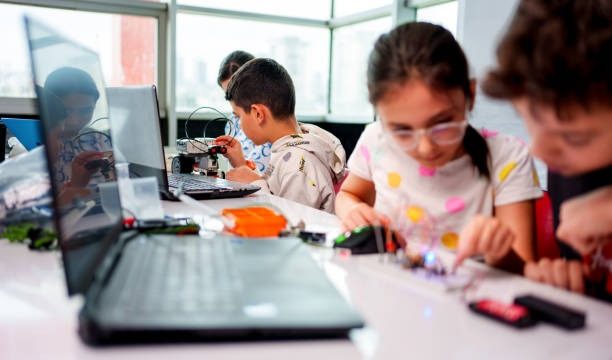
Engaging young learners in sensory activities not only supports their development but also opens a world of exploration and creativity.
Children are naturally curious, and their eagerness to learn can be amplified through experiences that stimulate their senses.
Whether it’s through touch, sight, sound, taste, or smell, sensory play offers a unique opportunity for children to discover the world around them while having fun.
A gentle introduction to sensory play
Sensory activities are not just about play; they are essential for cognitive growth, emotional regulation, and social skills. When children engage in sensory experiences, they are learning to process information in a way that is both enjoyable and effective. These activities can help enhance fine motor skills, improve hand-eye coordination, and foster problem-solving abilities. The best part? Sensory play can be easily incorporated into everyday life, making it accessible for parents and caregivers.
Exploring textures and materials
One of the simplest yet most effective ways to engage young learners is through different textures. A tactile treasure box filled with items like sandpaper, cotton balls, feathers, and fabric swatches can provide endless opportunities for exploration. Encourage children to feel the various materials and describe what they sense. Is it soft? Scratchy? Cool? This not only builds vocabulary but also promotes critical thinking as they categorize their findings.
Another delightful activity involves creating a sensory bin. Fill a shallow container with rice, beans, or pasta, and add small toys or household items for children to discover. The act of scooping, pouring, and sifting through the materials can be mesmerizing, allowing for hours of focused play. This simple setup can also be themed according to seasons or holidays, making it a versatile option for ongoing engagement.
The magic of nature
Nature is an incredible resource for sensory exploration. A walk in the park or a visit to the backyard can transform into a sensory adventure. Encourage children to notice the colors of the leaves, the sounds of birds chirping, and the scent of flowers blooming. Collecting natural items, such as pine cones, leaves, or stones, can lead to creative projects later on. For instance, these treasures can be used to create art pieces, such as leaf rubbings or painted stones, allowing children to express their creativity while engaging with their surroundings.
Water play is another wonderful way to immerse young learners in sensory experiences. Whether it’s a simple bowl of water with cups and spoons or a small inflatable pool filled with floating toys, water can provide a calming and engaging environment. Adding items like sponges or bubbles can enhance the experience, encouraging children to explore the properties of water while developing their motor skills.
Tuning into sounds
Sound-based activities can also be incredibly enriching for young learners. Encourage children to listen to the different sounds in their environment. A simple exercise could involve closing their eyes and identifying various sounds: birds, wind rustling through leaves, or distant laughter. This practice not only sharpens listening skills but also fosters mindfulness.
Creating musical instruments at home can be a fun and interactive way to explore sound. Using everyday items, such as pots and pans for drums or rice-filled bottles for shakers, allows children to experiment with rhythm and volume. Engaging in music-making can spark joy and creativity, providing a perfect opportunity for family bonding.
The taste of exploration
Food can be a delightful sensory experience, offering a chance to engage taste buds while learning about different flavors and textures. Involve young learners in the kitchen by letting them help prepare simple recipes. This could be as easy as making fruit salad, where they can explore the colors, shapes, and textures of different fruits. Encourage them to describe what they taste and how the different ingredients come together.
Taste tests can also be an exciting activity. Present children with a variety of foods, from sweet to sour, and encourage them to guess the flavors. This can be a playful way to expand their palate while fostering curiosity about food and nutrition.
The scent of creativity
Smell is often one of the most overlooked senses in play, yet it can evoke powerful memories and emotions. Creating a scent station with various herbs, spices, or scented oils can be an intriguing experience. Encourage children to close their eyes, take a deep breath, and identify different scents. Discussing how each scent makes them feel can lead to meaningful conversations and reflections.
Crafting with fragrant materials, like playdough infused with essential oils or baking bread, can also enhance sensory engagement. The warm, inviting aromas can create a comforting atmosphere, making the experience even more enjoyable.
A calming space for exploration
Creating a designated sensory space at home can be beneficial for young learners. This area can be filled with various sensory materials, books, and calming items like soft pillows or blankets. It can serve as a retreat for children to explore independently or with a caregiver. Incorporating soft lighting and gentle music can enhance the ambiance, making it a perfect spot for relaxation and creativity.
Encouraging self-discovery
Ultimately, sensory activities provide young learners with the tools to understand themselves and their surroundings better. By engaging in these experiences, children learn to express their feelings, explore their creativity, and develop essential skills that will serve them throughout their lives. The key is to create an environment that invites curiosity and exploration, allowing children to thrive at their own pace.
As parents and caregivers, embracing the joy of sensory play can foster a deeper connection with young learners. By participating in these activities together, we not only support their growth but also create cherished memories that will last a lifetime. Sensory play is a beautiful way to nurture their natural curiosity while providing a foundation for lifelong learning.