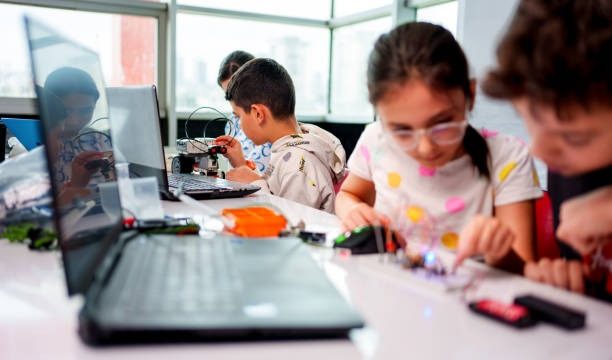
In our ever-evolving world, technology has become an integral part of our daily lives, weaving itself into the very fabric of how we learn and grow together.
Collaborative learning, a process where individuals engage with one another to enhance their understanding, is being transformed by the myriad of technological tools available today.
This synergy between technology and collaborative learning not only fosters deeper connections among learners but also creates an environment where everyone can thrive.
A gentle shift towards connection
Imagine a classroom where students from different backgrounds come together, sharing their unique insights and experiences. With the advent of technology, such interactions are no longer confined to physical spaces. Online platforms and tools have opened the doors to collaboration that transcends geographical boundaries. Whether it’s a group of students working on a project from different corners of the globe or professionals co-creating a solution to a complex problem, technology facilitates these connections in ways we could only dream of a few decades ago.
Video conferencing tools, for instance, have revolutionized the way we communicate and collaborate. Platforms like Zoom or Microsoft Teams allow learners to engage in real-time discussions, share screens, and present ideas, all while sitting in the comfort of their own homes. This flexibility encourages participation from those who might otherwise feel hesitant to speak up in a traditional classroom setting. The warmth of a face-to-face conversation can now be replicated virtually, fostering a sense of community and belonging among learners.
Creating spaces for creativity
When technology meets collaborative learning, it opens up a treasure trove of creative possibilities. Tools designed for brainstorming, such as digital whiteboards like Miro or Jamboard, empower groups to visualize their thoughts and ideas collectively. These platforms allow participants to sketch, write, and organize their ideas in real-time, creating a shared canvas that nurtures innovation.
This collaborative creativity is not limited to students; it extends to professionals and lifelong learners alike. Imagine a team of designers, engineers, and marketers all contributing their expertise to a single project, each bringing their unique perspective to the table. The result is a richer, more nuanced final product that reflects the diverse inputs of its creators. Technology, in this way, acts as a bridge, connecting different minds and fostering a culture of shared creativity.
Nurturing individual growth within a community
While collaboration is at the heart of this learning approach, it is essential to recognize that technology also supports individual growth. Online resources, such as educational videos, articles, and interactive courses, provide learners with the opportunity to explore topics at their own pace. This self-directed learning complements the collaborative aspect, as individuals can bring their newfound knowledge to group discussions, enriching the collective experience.
Moreover, platforms that allow for peer feedback and assessment create a safe space for learners to reflect on their work and receive constructive criticism. This process not only enhances individual understanding but also cultivates a sense of accountability within the group. Each member becomes invested in the success of their peers, fostering a supportive atmosphere where everyone is encouraged to grow and excel.
A balanced approach to technology use
As we embrace the benefits of technology in collaborative learning, it is important to maintain a balanced perspective. While technology can enhance communication and creativity, it is essential to ensure that it does not overshadow the human elements of learning. Establishing guidelines for technology use within collaborative settings can help nurture meaningful interactions and prevent distractions that may arise from excessive screen time.
Creating a culture of awareness around technology use encourages learners to engage mindfully. For instance, setting aside specific times for focused group discussions without devices can lead to deeper connections and more profound conversations. This small shift towards balance can help maintain the essence of collaborative learning, where human interaction remains at the forefront.
The role of educators in this journey
Educators play a crucial role in guiding learners through the integration of technology in collaborative learning. By modeling effective use of digital tools and fostering an environment of trust and respect, teachers can empower students to take ownership of their learning experiences. Encouraging experimentation with different technologies allows learners to discover what works best for them and their peers.
In addition, educators can facilitate discussions around the ethical use of technology, helping students navigate the complexities of digital communication and collaboration. By instilling a sense of responsibility and empathy in their students, teachers can ensure that technology serves as a tool for connection rather than a barrier.
Looking towards the future
As we continue to explore the intersection of technology and collaborative learning, it is clear that the journey is just beginning. Emerging technologies, such as artificial intelligence and virtual reality, hold the promise of further enhancing collaborative experiences. Imagine virtual classrooms where students can engage in immersive learning experiences, or AI-driven tools that personalize learning paths based on individual strengths and weaknesses.
The future of collaborative learning is bright, with technology serving as a powerful ally in our quest for knowledge and connection. By embracing these advancements while remaining grounded in our human experiences, we can create rich, inclusive learning environments that nurture both individual potential and collective wisdom.
In conclusion, technology’s role in supporting collaborative learning is profound and multifaceted. As we navigate this landscape, let us remember the importance of human connection, creativity, and growth. By striking a harmonious balance between technological tools and authentic interactions, we can cultivate a learning experience that is not only enriching but also deeply fulfilling. Together, we can shape a brighter future for learners everywhere, where collaboration knows no bounds.