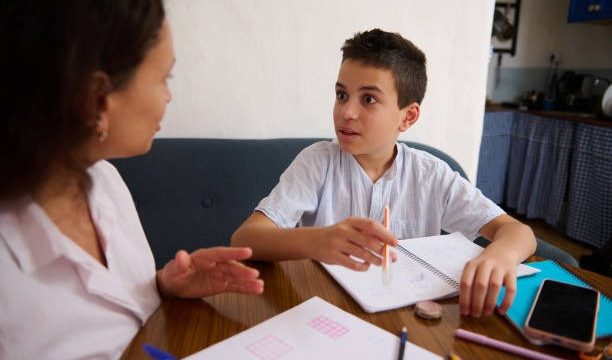
In a world brimming with technology and instant gratification, nurturing a child’s imagination through storytelling remains a timeless treasure.
Creative storytelling not only entertains but also fosters emotional intelligence, critical thinking, and language skills.
For parents and caregivers, finding engaging ways to introduce storytelling can be a delightful journey. Here are some creative ideas to inspire young minds and cultivate a love for stories.
The magic of storytelling often begins with a simple spark of imagination. One delightful approach is to create stories based on everyday experiences. Encourage children to recount their day, focusing on the little details that often go unnoticed. Perhaps they spotted a peculiar cloud that looked like a dragon or met a friendly neighbor with an unusual pet. By weaving these snippets of daily life into narratives, children learn to observe their surroundings more keenly and express their thoughts creatively.
Another wonderful technique is to turn familiar tales into personal adventures. Choose a classic fairy tale, such as “Little Red Riding Hood,” and invite your child to reimagine the characters. What if Little Red Riding Hood had a pet dinosaur instead of a basket? How would the story change if the wolf were actually a misunderstood friend? This playful twist allows children to exercise their creativity while also developing an understanding of plot and character development.
Incorporating art into storytelling can also enhance the experience. Provide your child with paper, colors, and craft supplies, and let them illustrate their stories. They can create their own storybooks, complete with drawings that complement their narratives. This not only makes storytelling a multi-sensory activity but also encourages children to think visually, which is an important skill in today’s world.
Sometimes, the best stories emerge from a collaborative effort. Gather the family for a storytelling circle where each person contributes a sentence or two to create a story together. This method encourages teamwork and allows children to see how different ideas can come together to form a cohesive tale. It fosters a sense of community and shows that everyone’s voice matters, enhancing their social skills in the process.
The world around us is filled with inspiration, and nature can be a particularly rich source for storytelling. Take a walk in the park or a nearby forest, and encourage your child to observe the sights and sounds around them. Ask open-ended questions: What do you think the trees would say if they could talk? What adventures might a squirrel have? This gentle exploration can lead to imaginative stories that are rooted in the beauty of the natural world, encouraging children to appreciate their environment.
As children grow, the themes of their stories can evolve too. Introduce elements of problem-solving by presenting a dilemma for the characters in their tales. Perhaps a young hero must find a way to save a village from a drought, or a group of friends is on a quest to find a missing treasure. By navigating challenges in their stories, children can learn valuable lessons about resilience, empathy, and creativity in overcoming obstacles.
Incorporating props can also add an element of fun to storytelling. Gather items from around the house or nature, like a stick that could become a magic wand or a scarf that transforms into a cape. As children use these props, they can act out their stories, bringing their characters to life. This interactive approach not only makes the storytelling experience more vivid but also encourages physical movement and expression.
Music and sound can enhance the storytelling experience, too. Play soft background music that fits the mood of the story or encourage your child to create sound effects. If they are telling a tale about a storm, they might clap their hands for thunder or tap their feet for raindrops. This incorporation of auditory elements adds another layer of engagement, allowing children to immerse themselves fully in the narratives they create.
As stories unfold, the importance of listening becomes apparent. Encourage children to listen to stories read by others, whether it’s a parent, teacher, or audio book. This exposure to different storytelling styles can spark inspiration and introduce them to new vocabulary and ideas. Discussing the stories afterward can deepen their understanding and encourage them to articulate their thoughts and feelings about what they heard.
Creating a storytelling routine can also nurture a love for stories. Set aside a specific time each day for storytelling, whether it’s during bedtime, after school, or during family meals. This consistent practice not only builds anticipation but also helps children develop a sense of structure and routine around storytelling. Over time, they may come to look forward to this special time, eager to share their own tales or listen to others.
The beauty of storytelling lies in its ability to connect us. As children share their stories, they open windows into their thoughts and feelings, allowing for deeper connections with family and friends. Encourage them to share their stories with others, whether through family gatherings, school presentations, or simply sharing with friends. This not only builds confidence but also fosters a sense of belonging and community.
In a world that often moves too quickly, storytelling offers a gentle reminder to pause, reflect, and connect. By nurturing creativity through storytelling, we can help children develop a rich inner world filled with imagination, empathy, and understanding. These creative storytelling ideas are not just activities; they are opportunities to build bonds, spark curiosity, and cultivate a lifelong love for stories. As the pages of their imaginations turn, the adventures they create will stay with them, lighting their paths for years to come.