Helping Children Develop Social Skills
In a world that increasingly values connection and collaboration, nurturing social skills in children is more important than ever.
From making friends to navigating group dynamics, social abilities can set the foundation for a fulfilling life.
While some children naturally exhibit strong social skills, others may need a little extra support. The good news is that fostering these abilities can be a joyful and enriching experience for both children and their caregivers.
Understanding Social Skills
At its core, social skills encompass a range of abilities that allow individuals to interact effectively with others. These include communication, empathy, cooperation, and conflict resolution. Children learn these skills through observation, practice, and guidance from the adults in their lives. As they grow and encounter various social situations, they will refine these skills, making it essential for caregivers to provide opportunities for practice.
Creating a Nurturing Environment
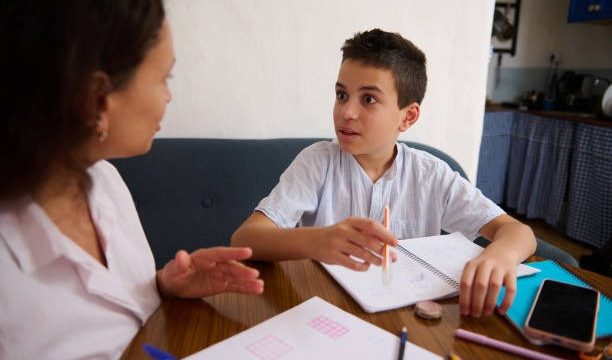
One of the most effective ways to help children develop social skills is to create a nurturing and supportive environment. This begins at home, where open communication and emotional support lay the groundwork for healthy relationships. When children feel safe expressing their thoughts and feelings, they are more likely to engage with others positively. Encouraging discussions about daily experiences, feelings, and friendships can foster a sense of security and belonging.
Engaging in Play
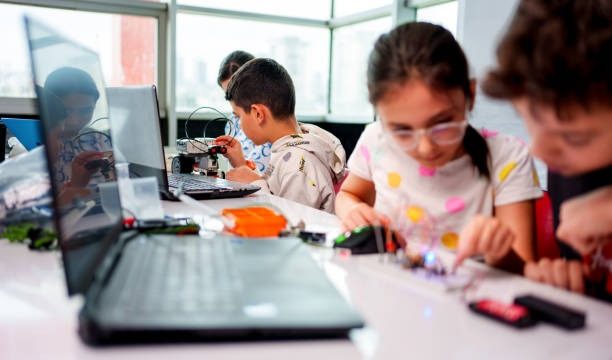
Play is a natural and powerful teacher for children. Through play, they learn to negotiate, take turns, and understand the perspectives of others. Whether it’s playing board games, engaging in role-playing scenarios, or participating in team sports, these activities provide valuable lessons in cooperation and communication. Caregivers can enhance these experiences by guiding playtime conversations, helping children articulate their thoughts, and encouraging them to express their feelings.
Modeling Positive Interactions
Children are keen observers, often mirroring the behaviors they see around them. By modeling positive social interactions, caregivers can provide children with a blueprint for their own behavior. This might include demonstrating active listening, showing empathy, or resolving conflicts calmly. When children see adults engaging respectfully and thoughtfully with others, they are more likely to replicate these behaviors in their interactions.
Encouraging Empathy
Empathy is a cornerstone of social skills, allowing children to understand and respond to the feelings of others. Encouraging empathy can be as simple as discussing emotions in everyday situations. When reading stories, for example, caregivers can ask children how they think a character might feel and why. This practice helps children develop the ability to consider others’ perspectives, fostering deeper connections with their peers.
Providing Opportunities for Socialization
Creating opportunities for children to socialize with their peers is crucial in developing social skills. This can be through playdates, group activities, or community events. Such experiences allow children to practice their skills in real-life scenarios, adapting their behavior as they learn what works and what doesn’t. Caregivers can facilitate these interactions by arranging gatherings and encouraging participation in group activities, such as sports teams or clubs.
Navigating Conflict
Conflict is an inevitable part of social interactions, and teaching children how to navigate it is essential for their development. Instead of shying away from conflicts, caregivers can use these moments as learning opportunities. Discussing various strategies for resolving disagreements—such as finding common ground or using “I” statements—can empower children to handle conflicts with confidence and grace.
Encouraging Communication Skills
Effective communication is vital for building relationships. Caregivers can support children in developing these skills by encouraging them to express their thoughts and feelings clearly. This might involve practicing conversational skills, such as maintaining eye contact, using polite greetings, and asking open-ended questions. Engaging in family discussions at the dinner table or during car rides can provide a relaxed atmosphere for children to hone their communication skills.
Celebrating Small Wins
As children navigate their social journeys, celebrating their successes—no matter how small—can boost their confidence and motivation. Acknowledging when they make a new friend, resolve a conflict, or successfully express their feelings reinforces positive behavior and encourages further development. Caregivers can create a culture of celebration at home, where children feel valued and recognized for their efforts.
Promoting Inclusivity
In a diverse world, teaching children about inclusivity and acceptance is vital. Encouraging children to embrace differences among their peers fosters understanding and respect. Caregivers can help by exposing children to various cultures, traditions, and perspectives, whether through books, films, or community events. This not only enriches their social skills but also cultivates a sense of belonging for everyone.
Being Patient and Understanding
Developing social skills is a journey, and each child progresses at their own pace. It’s important for caregivers to be patient and understanding, recognizing that challenges may arise along the way. Offering support, encouragement, and gentle guidance can help children navigate their social experiences with confidence.
In conclusion, helping children develop social skills is a rewarding endeavor that can significantly impact their lives. By creating a nurturing environment, engaging in play, modeling positive interactions, and providing opportunities for socialization, caregivers can empower children to build meaningful relationships. As they learn to communicate, empathize, and navigate conflicts, they will be better equipped to thrive in a world that values connection and collaboration. Through patience, understanding, and celebration of their growth, caregivers can inspire children to embrace their social journeys with joy and confidence.