Learning Through Crafts and Creative Projects
In our fast-paced world, where technology often takes center stage, many people are rediscovering the joys of hands-on creativity.
Engaging in crafts and creative projects is not just a delightful pastime; it can also be a powerful vehicle for learning.
Whether you’re a parent looking to enrich your child’s education, an adult seeking a new hobby, or simply someone eager to reconnect with your creative side, the benefits of crafting extend far beyond the final product.
Crafting offers a unique blend of fun and education, allowing individuals to develop skills in a relaxed environment. When we engage in creative projects, we tap into our natural curiosity, exploring materials, techniques, and ideas. This exploration fosters critical thinking, problem-solving, and even emotional intelligence. Each project becomes an opportunity to learn something new, whether that’s mastering a new technique or understanding the properties of various materials.
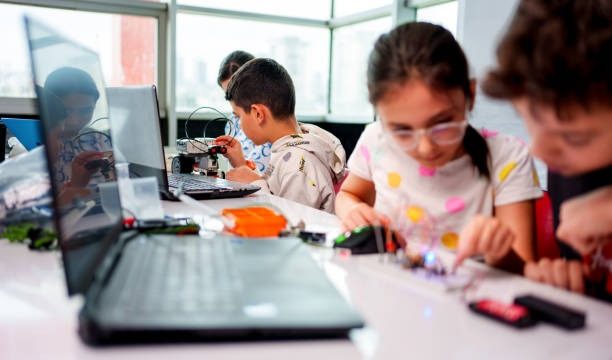
The joy of making something with your hands can be incredibly fulfilling. As you cut, glue, sew, or paint, you are not just creating an object; you are also engaging your mind and senses. This tactile experience can enhance cognitive development, particularly in children. For young learners, crafts can improve fine motor skills, hand-eye coordination, and spatial awareness. When they create, they learn to follow directions, measure, and even experiment with trial and error—skills that are invaluable in both academic and everyday life.
A small shift toward balance can be achieved through crafting. In an age dominated by screens and digital interaction, taking the time to create something tangible can help ground us. The act of crafting encourages mindfulness, as it often requires focus and presence. When we immerse ourselves in a project, we can momentarily set aside our worries and distractions. This meditative quality can be especially beneficial for stress relief, making crafting a wonderful outlet for emotional expression.
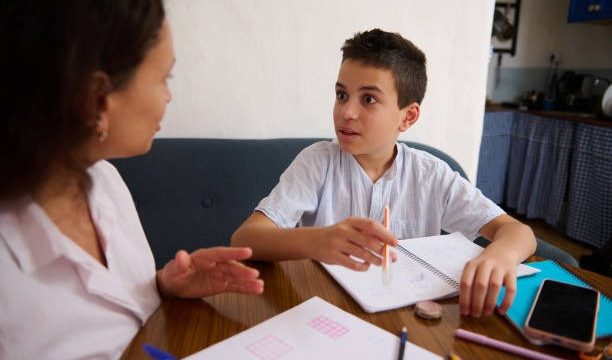
For parents, integrating crafts into daily life can be a wonderful way to bond with children. Craft projects can turn routine activities into cherished memories. Imagine the laughter shared while painting a canvas or the concentration on a child’s face as they assemble a model. These moments not only strengthen familial relationships but also provide a platform for learning. Through discussion and collaboration, children can learn about colors, shapes, and even the stories behind their creations.
Crafting can also be a bridge to learning about cultural diversity. Many crafts have rich histories tied to specific cultures, and exploring these can be an enlightening experience. For instance, creating traditional crafts from different parts of the world can introduce children to new customs and perspectives, fostering an appreciation for diversity. This exploration can spark conversations about different lifestyles, traditions, and values, broadening their understanding of the world.
As we delve deeper into the world of creative projects, it’s essential to recognize the role of community. Crafting can be a solitary endeavor, but it can also be a shared experience that brings people together. Local workshops, crafting groups, or online communities offer opportunities to connect with others who share similar interests. These connections can lead to inspiration, collaboration, and the sharing of knowledge. Learning from others can be a powerful motivator, encouraging individuals to push their creative boundaries and explore new techniques.
The beauty of crafting is that it is accessible to everyone, regardless of age or skill level. Whether you’re a complete beginner or a seasoned artist, there’s always something new to explore. Simple projects like scrapbooking or knitting can be a great starting point for those new to crafting. For more experienced crafters, diving into mixed media art or woodworking can provide a satisfying challenge. The key is to approach each project with an open mind and a willingness to learn.
Embracing the process rather than focusing solely on the outcome is a vital aspect of crafting. This mindset can transform how we view our creations. Instead of striving for perfection, we can appreciate the journey of making and the lessons learned along the way. Each imperfection tells a story and contributes to the uniqueness of the piece. In this way, crafting can mirror life itself—an ongoing process filled with growth, discovery, and creativity.
For those looking to incorporate more crafting into their lives, the options are endless. From painting and sewing to woodworking and pottery, the world of creative projects is rich with possibilities. Consider setting aside a regular time each week dedicated to crafting. This can become a cherished ritual, a time to unwind and express yourself creatively.
As you embark on your crafting journey, remember to celebrate each step, no matter how small. Allow yourself the freedom to experiment, make mistakes, and learn from them. The joy of creating lies in the process, and every project offers a chance to grow as an artist and as a person.
In conclusion, learning through crafts and creative projects is a fulfilling way to engage with the world. It nurtures our creativity, enhances our skills, and fosters connections with others. So, gather your materials, unleash your imagination, and allow yourself to embark on the wonderful adventure of crafting. Whether you’re making something for yourself or sharing your creations with others, the act of creating can enrich your life in countless ways. Embrace the journey, and let your creativity shine.