In an age where technology shapes our daily lives, coding has become an essential skill for students.
The ability to understand and create with code opens doors to a world of opportunities, from enhancing problem-solving skills to paving the way for exciting careers.
However, for many students, the idea of learning to code can feel daunting. The good news is that exploring coding doesn’t have to be overwhelming. There are numerous ways to approach this fascinating field with ease and enjoyment.
One of the best ways for students to begin their coding journey is through curiosity. Embracing this curiosity can lead to a more organic learning experience. Rather than viewing coding as a chore or a requirement, students can approach it as a new language to explore. There are countless resources available that cater to different interests and learning styles. For instance, if a student enjoys gaming, they might find joy in learning to create their own games. Platforms like Scratch or Roblox Studio allow students to experiment with coding in a playful environment, turning the learning process into an engaging adventure.
Finding the right resources can also make a significant difference. The internet is teeming with tutorials, videos, and interactive courses designed specifically for beginners. Websites like Codecademy, Khan Academy, or even YouTube offer step-by-step guidance and projects that can make learning enjoyable. What’s more, many of these platforms are free, removing financial barriers that might deter students from diving in. By starting with small, manageable projects, students can gradually build their confidence and skills.
A gentle shift toward balance is also important when learning to code. It’s easy to get caught up in the excitement of new knowledge and spend countless hours in front of a screen. However, balancing coding with other activities can enhance the overall learning experience. Encouraging students to take breaks, step outside, and engage in physical activities can provide them with a fresh perspective and renewed focus when they return to their coding projects. This holistic approach not only supports mental well-being but also fosters creativity, which is crucial for problem-solving in coding.
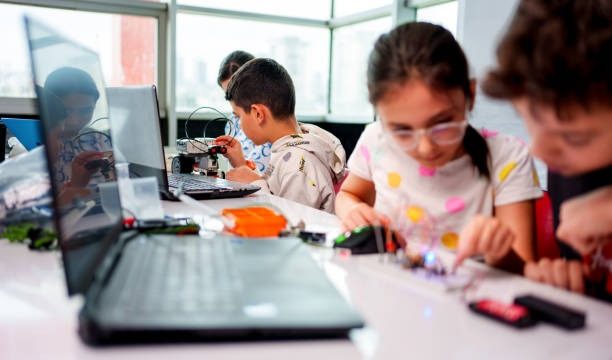
Collaboration can be another enriching aspect of learning to code. Students often thrive in social environments, and coding does not have to be a solitary pursuit. Joining a coding club or participating in hackathons can provide the opportunity to work with peers, share ideas, and learn from one another. These collaborative experiences can also foster friendships and a sense of community, making the learning process feel less intimidating. Many schools and community centers offer coding workshops or clubs, providing a supportive space for students to grow together.
As students explore coding, it’s essential to cultivate a growth mindset. This means embracing challenges and viewing mistakes as opportunities for growth rather than setbacks. Coding can be complex, and it’s common to encounter bugs or errors along the way. Rather than feeling discouraged, students can learn to approach these challenges with curiosity and resilience. By celebrating small victories and recognizing progress, students can develop a more positive relationship with coding. This mindset not only enhances their coding skills but also applies to various aspects of life, encouraging perseverance and adaptability.
Incorporating coding into everyday life can also be a fun way to reinforce learning. Many students might not realize that coding is all around them, from the apps they use to the websites they visit. Encouraging them to analyze how their favorite apps work or to think critically about the technology they use daily can spark interest and inspire new coding projects. For example, students can try modifying a simple website or creating a personal blog. These real-world applications of coding can make the learning experience feel relevant and exciting.
Another delightful avenue for students to explore coding is through art and creativity. Coding isn’t just about numbers and logic; it can also be a form of self-expression. Students can experiment with creative coding platforms like Processing or p5.js, where they can blend coding with visual art. This fusion allows them to create stunning graphics and animations, making the learning process both artistic and technical. By tapping into their creative side, students may find themselves more motivated to learn and experiment with coding.
As students embark on their coding journey, it’s important to remember that learning is a personal experience. Each student will have their own pace and style of learning, and that’s perfectly okay. Encouraging them to explore different languages, tools, and projects can help them discover what resonates with them the most. Whether it’s web development, game design, or data analysis, there’s a coding niche for everyone. The key is to remain open-minded and adventurous in their exploration.
In conclusion, coding can be an enriching and enjoyable experience for students when approached with curiosity, balance, and creativity. By leveraging the wealth of resources available, fostering collaboration, and maintaining a growth mindset, students can navigate the world of coding with confidence and excitement. As they explore this skill, they not only gain technical knowledge but also develop valuable life skills such as problem-solving, critical thinking, and resilience. Ultimately, coding is not just about writing lines of code; it’s about unlocking potential and embracing the endless possibilities that come with it. So, let the journey begin, and who knows what incredible creations await just around the corner.