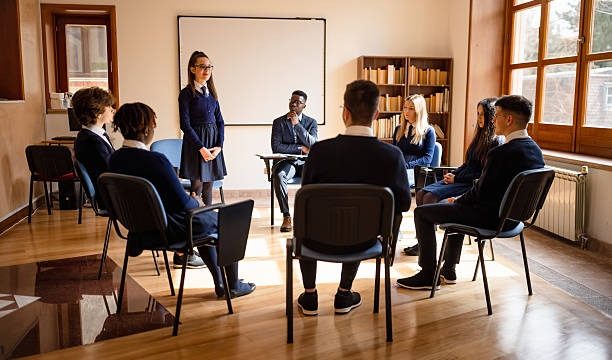
In the heart of every thriving community, there exists a space where young minds gather to explore ideas, challenge perspectives, and develop crucial skills.
Debate clubs are more than just forums for argument; they are sanctuaries of learning that cultivate critical thinking, eloquence, and confidence.
The structure of a typical debate club session is thoughtfully designed to facilitate these outcomes, creating an environment that encourages growth and collaboration.
A gentle introduction to the world of debate begins with a warm welcome. As participants take their seats, the atmosphere buzzes with anticipation. Members often start with casual conversations, sharing stories and light banter. This initial connection sets the tone for the session, fostering a sense of community that is essential for open dialogue. It’s a beautiful reminder that while debate is about ideas, it’s also about the people behind those ideas.
As the session unfolds, the group typically transitions into a brief overview of the day’s agenda. This moment serves not only as a roadmap for the discussion ahead but also as an opportunity to engage everyone in the planning process. Members might suggest topics, express preferences for formats, or even vote on resolutions. This collaborative approach not only empowers participants but also nurtures a sense of ownership over the learning experience.
Once the agenda is established, the heart of the session begins. Debates often follow a structured format, which may vary from one club to another. Some clubs lean towards traditional parliamentary styles, while others may opt for more modern interpretations. Regardless of the format, each debate session is designed to provide every member with an opportunity to speak, encouraging participation from all corners of the room.
In this phase, the value of preparation becomes evident. Participants are often given time to research their topics and formulate arguments. This is where the learning structure truly shines. Members learn to sift through information, discern credible sources, and articulate their thoughts clearly. This time for research not only equips them with knowledge but also instills a sense of responsibility; they begin to understand that their words carry weight and impact.
As the debate commences, the energy in the room shifts. Participants take turns presenting their arguments, responding to counterpoints, and engaging in lively discussions. This dynamic exchange is where the real magic happens. Listening becomes just as important as speaking, as members learn to consider opposing viewpoints and develop their own ideas further. The respectful challenge of ideas fosters an environment of intellectual curiosity, encouraging everyone to think deeper and broader.
In the midst of this vibrant dialogue, the role of the moderator or chairperson is crucial. This individual guides the discussion, ensuring that it remains respectful and focused. Their presence helps maintain a balance between encouraging passionate debate and fostering a supportive atmosphere. Participants learn the importance of moderation, not just as a skill for debate, but as a life lesson in managing conversations in all areas of life.
As the debate draws to a close, the session often shifts towards reflection. Members gather to discuss what they learned, what surprised them, and how they felt during the exchange. This debriefing is a vital component of the learning structure. It allows participants to process their experiences and gain insights from their peers. Reflection encourages a growth mindset, reminding members that every debate is an opportunity for improvement and that learning is a continuous journey.
A small shift toward balance comes into play during this reflection phase. Participants are encouraged to consider both their strengths and areas for growth. This holistic approach not only builds confidence but also cultivates humility. Members learn that while winning arguments can be satisfying, the true victory lies in the ability to grow and evolve through each experience.
In addition to the formal structure of debates, clubs often incorporate workshops and skill-building exercises. These sessions focus on specific aspects of debate, such as public speaking, research techniques, and persuasive writing. By honing these skills in a supportive environment, members are better equipped to articulate their thoughts in future debates and beyond. The blend of practical skills with theoretical knowledge creates a comprehensive learning experience that extends far beyond the walls of the debate club.
As the session wraps up, members often leave with a sense of accomplishment and a renewed passion for learning. The friendships forged in these spaces extend beyond the debates themselves, creating a network of support that encourages continued growth. This camaraderie is a testament to the power of shared experiences, reminding us that while debates may center around ideas, the connections we make are what truly enrich our lives.
In essence, the learning structure of debate club sessions serves as a microcosm of life itself. It teaches us the importance of listening, respecting diverse perspectives, and articulating our thoughts with clarity and conviction. It empowers individuals to engage with the world around them, fostering a sense of agency and responsibility. As participants develop their voices, they also learn the value of collaboration and community, skills that will serve them well in all areas of life.
Debate clubs are more than just a platform for argument; they are spaces of growth, connection, and discovery. In the cozy corners of these meetings, young minds are not only learning how to debate but are also cultivating the essential skills that will shape their futures. With each session, they are reminded that the journey of learning is as important as the destination, and that every voice matters in the grand tapestry of discussion.