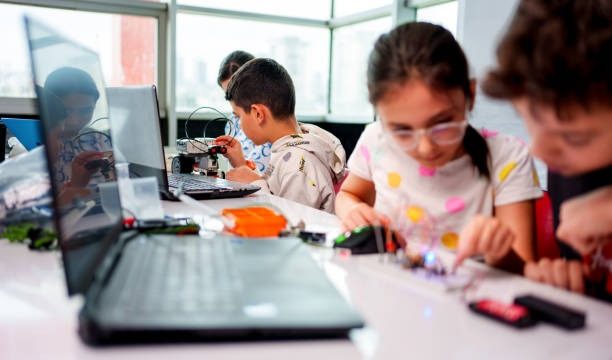
In a world where technology is increasingly woven into the fabric of our daily lives, the ability to code has emerged as an empowering skill.
Many people find that learning to code not only enhances their career prospects but also significantly boosts their confidence.
The journey of developing coding skills is more than just about understanding algorithms or programming languages; it’s a pathway to personal growth and self-assurance.
The beauty of coding lies in its accessibility. Whether you are a complete novice or someone looking to sharpen your skills, there are countless resources available to help you embark on this journey. Online courses, coding boot camps, and community workshops have made it easier than ever to dive into the world of programming. The first step often involves simply taking that leap of faith, and once you do, you may discover a newfound sense of accomplishment.
Building a foundation in coding can feel daunting at first, but with each small victory, your confidence begins to blossom. Learning the basics of a programming language, like Python or JavaScript, provides immediate gratification. Writing your first line of code and watching it come to life on the screen can evoke a sense of wonder and pride. These small successes are the building blocks of confidence, reminding you that you are capable of learning and growing.
As you progress, you’ll find that coding is not just about writing lines of code; it’s about problem-solving and creativity. Each challenge presents an opportunity to think critically and develop solutions. When you encounter a bug or an error, rather than feeling defeated, you learn to embrace it as part of the process. This shift in perspective is transformative. It teaches you resilience and reinforces the idea that challenges are not obstacles but stepping stones on your journey.
A small shift toward balance can make a significant difference in your coding experience. It’s easy to become overwhelmed by the vastness of coding languages and frameworks. However, focusing on one language or project at a time allows you to hone your skills without feeling scattered. Set achievable goals for yourself, and celebrate each milestone, no matter how small. This practice cultivates a sense of accomplishment and encourages you to continue pushing forward.
The coding community is another source of support and encouragement. Engaging with others who share your passion can be incredibly motivating. Online forums, social media groups, and local meetups provide platforms for collaboration and learning. By sharing your experiences and challenges with fellow coders, you not only gain insights but also reinforce your sense of belonging. Knowing that others are on a similar journey can inspire you to keep going, even when the going gets tough.
Emphasizing the process over the outcome is another essential aspect of building confidence through coding. It’s easy to get caught up in the end result, whether it’s launching a website or completing an app. However, the real growth happens in the day-to-day practice of coding. Each time you sit down to code, you are investing in your skills and your self-worth. This mindset shift helps you appreciate the journey, allowing you to embrace mistakes and learn from them rather than fearing failure.
As your coding skills develop, so does your ability to tackle new and complex projects. This gradual progression not only enhances your technical skills but also fosters a sense of empowerment. Each project you complete adds to your portfolio and serves as a testament to your growth. This tangible evidence of your abilities can be a powerful boost to your self-esteem, reinforcing the idea that you are capable of achieving your goals.
Moreover, coding can be a form of creative expression. Many find joy in transforming ideas into reality through code. Whether it’s designing a website that showcases your favorite hobby or developing a simple game, the act of creating something from scratch can be deeply fulfilling. This creative outlet not only enhances your technical skills but also nurtures your self-confidence. The knowledge that you can conjure something meaningful from your imagination is a powerful affirmation of your capabilities.
Incorporating coding into your daily routine can also help strengthen your confidence. Just as with any skill, regular practice is key. Setting aside time each day or week to code creates a rhythm that allows you to deepen your understanding and refine your skills. Over time, this consistency builds a sense of mastery, making you feel more assured in your abilities.
As you navigate the world of coding, remember to be kind to yourself. Everyone’s journey is unique, and comparing yourself to others can often lead to discouragement. Focus on your progress and the skills you are developing. Recognize that learning is a lifelong journey, and it’s perfectly normal to encounter challenges along the way. Embracing this perspective allows you to cultivate patience and self-compassion, which are essential components of building confidence.
Ultimately, coding is more than just a technical skill; it’s a pathway to self-discovery and empowerment. The confidence gained from mastering coding can transcend the realm of technology, positively influencing various aspects of your life. As you learn to code, you may find that you approach challenges in other areas with a newfound sense of resilience and creativity.
In conclusion, the skills you develop while learning to code can serve as a powerful tool for building confidence. Each line of code you write, each problem you solve, and each project you complete contributes to a growing sense of self-assurance. Embrace the journey, celebrate your progress, and remember that you are capable of so much more than you may realize. As you continue to explore the world of coding, you’ll not only enhance your technical abilities but also cultivate a deeper belief in yourself and your potential.