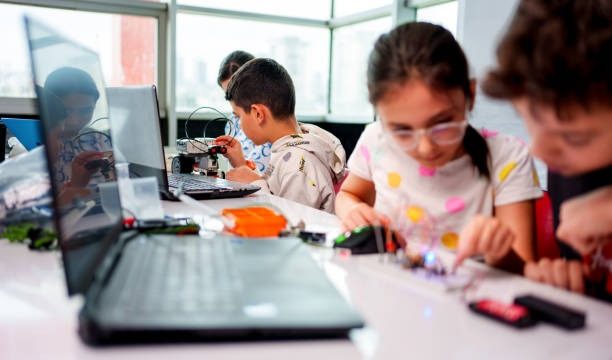
In the world of technology, programmers often seem like enigmatic figures, immersed in lines of code and complex algorithms.
To the untrained eye, it might look like a solitary pursuit, but there’s a fascinating depth to how programmers think and work that reflects not just their profession, but also their lifestyle and approach to problem-solving.
A glimpse into the programmer’s mind reveals a blend of creativity, logic, and a unique way of navigating challenges. Much like artists or musicians, programmers are creators at heart. They build things from scratch, whether it’s a simple application or a sophisticated software system. This creative process is often fueled by curiosity and a desire to understand how things work. Each line of code is a brushstroke on a digital canvas, and the satisfaction of seeing their creation come to life is a reward in itself.
At the core of a programmer’s mindset is a love for problem-solving. When faced with a complex issue, they often break it down into smaller, manageable pieces. This approach mirrors a common practice in wellness and mindfulness: taking a step back to assess the situation before diving in. By dissecting a problem, programmers can tackle one component at a time, gradually piecing together a solution. This method not only reduces overwhelm but also fosters a sense of accomplishment as each small victory adds up.
The environment in which programmers work plays a significant role in their productivity and creativity. Many find comfort in a space that reflects their personality—be it a cozy home office adorned with plants or a bustling café filled with the hum of conversation. The right ambiance can be incredibly motivating, offering the tranquil backdrop needed to focus deeply on their tasks. Just as a yoga instructor might emphasize the importance of a serene space for meditation, programmers thrive in environments that inspire clarity and concentration.
Collaboration is another crucial aspect of a programmer’s work life. Contrary to the stereotype of the solitary coder, many programmers thrive in team settings. They share ideas, troubleshoot together, and celebrate successes as a group. This communal approach not only enhances their skills but also builds a supportive network. Engaging with others in their field allows them to learn from different perspectives, fostering a culture of innovation and shared growth.
Communication, however, is a skill that requires constant honing. Programmers often need to convey complex technical concepts to non-technical stakeholders, which can be a challenge. The ability to translate jargon into everyday language is essential, and this is where the art of storytelling comes into play. Just as a writer crafts a narrative to connect with readers, programmers must learn to weave their technical tales in a way that resonates with others. This skill not only improves workplace dynamics but also enriches their understanding of the broader implications of their work.
As with any profession, maintaining balance is vital for programmers. The tech world can sometimes lead to long hours and burnout, making it crucial to cultivate a healthy work-life balance. Many programmers are now embracing flexible schedules, allowing them to pursue hobbies and interests outside of coding. This holistic approach to life nurtures their creativity and keeps their minds fresh. Whether it’s engaging in outdoor activities, exploring new technologies, or simply unwinding with a good book, these moments of reprieve are essential for sustaining their passion over the long term.
Mindfulness practices can also play a role in a programmer’s daily routine. Techniques such as meditation or deep-breathing exercises can help clear the mind, especially during intense coding sessions. Taking short breaks to step away from the screen can lead to bursts of inspiration and renewed focus. This practice of stepping back, much like a painter taking a moment to appreciate their work from a distance, allows programmers to return to their tasks with fresh eyes and a more creative mindset.
As technology continues to evolve, so too does the programmer’s approach to learning. The desire for continuous growth is inherent in the programming community. Many programmers spend time exploring new languages, frameworks, and tools, often through online courses or collaborative projects. This commitment to lifelong learning reflects a broader lifestyle choice: the pursuit of knowledge and self-improvement. Just as one might seek to enhance their physical health through exercise, programmers actively seek to expand their skill set, keeping their minds agile and adaptable.
In conclusion, understanding how programmers think and work offers us a glimpse into a world where creativity and logic intertwine. Their approach to problem-solving, collaboration, and continuous learning mirrors many principles found in wellness and lifestyle practices. By embracing balance, cultivating supportive environments, and fostering a mindset of curiosity, programmers navigate their professions with a unique blend of passion and purpose.
As we continue to rely on technology in our daily lives, appreciating the human elements behind the code can deepen our understanding of the digital landscape. In a way, programmers are not just building software; they are weaving together the threads of innovation, creativity, and community, crafting a tapestry that shapes our modern world.