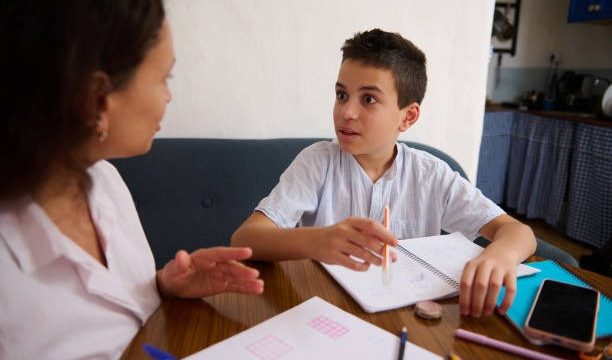
Teaching preschoolers about shapes and patterns can be a delightful journey, one that opens the door to a world of creativity and understanding.
As young minds explore their surroundings, introducing them to these fundamental concepts not only enhances their cognitive skills but also nurtures their innate curiosity.
This exploration can be as simple as a walk in the park or a cozy afternoon at home, where every experience becomes a chance to learn.
Shapes are everywhere. From the roundness of a ball to the square of a window, shapes form the building blocks of our visual world. When preschoolers begin to recognize and name these shapes, they start to understand the relationships between objects and their environment. A gentle way to introduce shapes is through everyday conversations. Pointing out a circle when you see a plate or a triangle when you visit a slice of pizza makes learning organic and fun. This not only solidifies their recognition skills but also makes them feel like active participants in the world around them.
Incorporating shapes into playtime can also be a wonderful strategy. Consider using toys that feature various shapes, like building blocks or puzzles. These activities encourage children to manipulate objects, enhancing their fine motor skills while they identify and sort shapes. A child might not realize they are learning as they stack a square block on top of a rectangular one, but they are engaging in critical thinking as they experiment with balance and stability.
Patterns, on the other hand, introduce a rhythm to learning. They help children recognize sequences and predict what comes next, fostering logical thinking. Simple patterns can be found in nature, such as the stripes of a zebra or the petals of a flower. A walk outside can become an adventure where children spot patterns in their surroundings, creating a connection between nature and learning. Engaging them in conversations about what they see helps to reinforce their understanding, making the experience both educational and enjoyable.
Creating patterns can also be a fun activity at home. Using colorful beads or buttons, you can help children create their own patterns by alternating colors or shapes. This hands-on experience not only supports their cognitive development but also stimulates their creativity. Children love to express themselves, and crafting patterns allows them to do just that. As they create, you can encourage them to describe their patterns, which enhances their language skills as well.
Art projects can serve as a fantastic medium for exploring shapes and patterns. Drawing, painting, or even crafting with clay invites children to experiment with different shapes and create their own patterns. You might suggest a project where they cut out shapes from colored paper to make a collage. This hands-on approach not only reinforces their recognition of shapes but also sparks creativity and imagination. The joy of creating something unique can instill a sense of accomplishment and pride in their work.
Storytime can also be a gentle avenue for teaching shapes and patterns. Many children’s books focus on these concepts, and reading them together can reinforce what they have learned. As you read, pause to point out shapes in the illustrations or patterns in the text. This interactive reading experience helps children connect the dots between what they see in stories and their everyday lives. The joy of storytelling combined with learning can create lasting memories and a love for reading.
Incorporating music and movement into learning can provide a dynamic approach to understanding shapes and patterns. Songs that involve clapping or dancing in patterns can make learning feel like play. As children follow along with movements that reflect different shapes or rhythmic patterns, they engage both their minds and bodies. This holistic approach helps them internalize concepts while having fun.
As they grow more confident in their understanding of shapes and patterns, encourage them to find these concepts in their daily routines. Whether it’s identifying the shape of a sandwich at lunchtime or recognizing a pattern in their clothing, these moments of discovery can be incredibly empowering. Children thrive on positive reinforcement, so celebrating their discoveries can boost their self-esteem and encourage them to keep exploring.
It’s important to remember that every child learns at their own pace. Some may grasp these concepts quickly, while others might need a little more time. Patience and encouragement are key. Creating a supportive environment where children feel safe to explore and make mistakes will foster their love for learning. Celebrate the small victories, whether it’s naming a shape correctly or creating a new pattern. These moments can be the foundation for a lifelong appreciation of learning.
Lastly, teaching preschoolers about shapes and patterns can be a wonderful bonding experience. The time spent together, whether through play, exploration, or creative projects, nurtures relationships and builds trust. It’s a chance to connect, share laughter, and create memories that will last a lifetime. The lessons learned during these formative years will serve as stepping stones for future learning, laying a strong foundation for their educational journey.
In conclusion, teaching preschoolers about shapes and patterns is not just an educational endeavor but a chance to nurture their curiosity and creativity. By weaving these concepts into everyday life, you can create engaging and meaningful learning experiences. The world is full of shapes and patterns waiting to be discovered, and with your guidance, young learners can embark on this joyful exploration. As you share these moments together, you are not only teaching them about shapes and patterns but also instilling a love for learning that will last a lifetime.