In an ever-evolving world where technology and creativity intertwine, the concept of maker education has emerged as a transformative approach to learning.
This educational philosophy emphasizes hands-on experiences, collaboration, and creativity, fostering the development of essential skills that prepare learners for the future.
As we delve into the essence of maker education, we uncover how it nurtures future-ready skills, enabling individuals to navigate the complexities of tomorrow’s landscape.
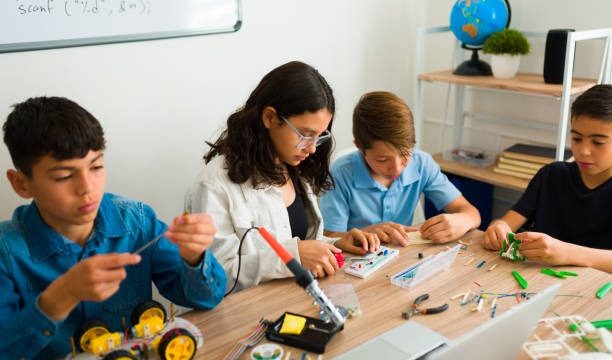
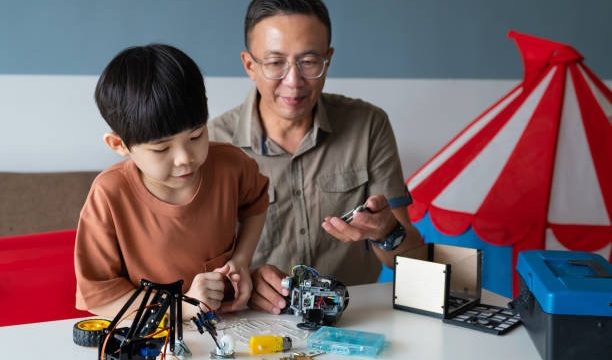
A gentle introduction to maker education reveals that it is rooted in the idea of learning by doing. This hands-on approach encourages learners to engage with materials, tools, and technologies in a way that sparks curiosity and innovation. Whether it’s crafting a simple wooden project, programming a robot, or designing a piece of wearable tech, the experiences gained through maker education instill a sense of confidence and autonomy. By actively participating in the learning process, individuals develop a deeper understanding of concepts, fostering a love for exploration that extends beyond the classroom.
At the heart of maker education lies the cultivation of critical thinking and problem-solving skills. In a world filled with challenges that require innovative solutions, these skills are increasingly invaluable. Maker education invites learners to tackle real-world problems, encouraging them to brainstorm, prototype, and iterate. This process mirrors the way professionals in various fields approach challenges, teaching students to analyze situations, think creatively, and adapt their strategies. The ability to navigate obstacles with resilience and ingenuity is a hallmark of future-ready individuals, and maker education provides the fertile ground for these skills to flourish.
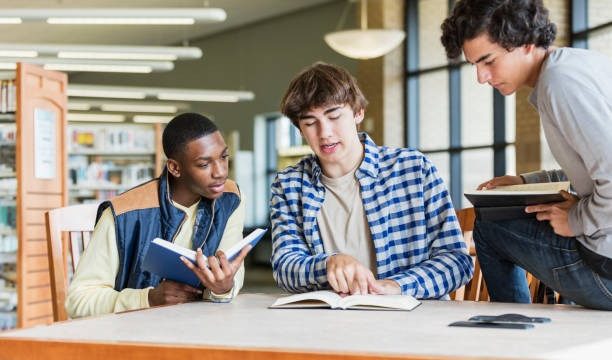
Collaboration is another cornerstone of maker education, reflecting the interconnectedness of our modern society. In maker spaces and classrooms, students often work together on projects, sharing ideas, resources, and expertise. This collaborative spirit fosters communication and teamwork, essential skills in any workplace. By learning to appreciate diverse perspectives and leverage the strengths of others, individuals gain the ability to work effectively in teams, a competency that is increasingly sought after in today’s professional landscape. The relationships formed during collaborative projects can also lead to meaningful connections that extend beyond educational settings, enriching personal and professional networks.
Creativity, often seen as an innate talent, is nurtured in maker education as a vital skill for the future. In an age where automation is on the rise, the ability to think creatively and innovate is what sets individuals apart. Maker education encourages learners to express themselves through various mediums, whether it’s through art, engineering, or digital design. By engaging in creative processes, students learn to trust their instincts and take risks, understanding that failure is often a stepping stone to success. This mindset fosters a lifelong love for learning and exploration, essential traits for navigating a world that is constantly changing.
As we explore the role of technology in maker education, it becomes clear that digital literacy is an integral component of future-ready skills. In a tech-driven era, understanding and utilizing technology is crucial. Maker education often incorporates tools such as 3D printers, coding software, and electronics, empowering students to become not just consumers of technology but creators as well. This hands-on experience with technology demystifies complex concepts, allowing learners to develop a practical understanding that can be applied in various contexts. The ability to adapt to new technologies and leverage them for creative purposes is a skill that will serve individuals well throughout their lives.
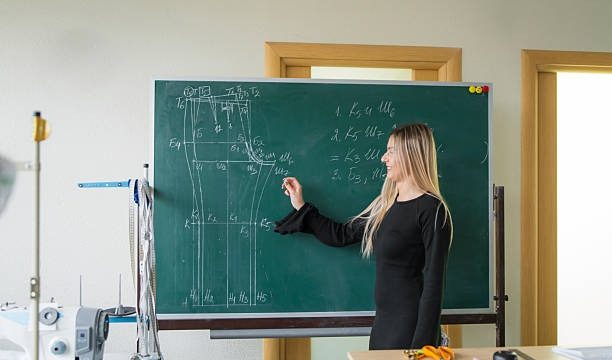
A small shift toward balance also occurs through the incorporation of maker education into traditional curricula. By blending hands-on learning with theoretical knowledge, educators create a more holistic approach to education. This balance not only enhances engagement but also allows students to see the relevance of what they are learning. When students understand how concepts apply to real-world scenarios, their motivation to learn increases, leading to a more profound educational experience. This integration of maker education into various subjects fosters a sense of curiosity and wonder, encouraging students to explore the interconnectedness of knowledge.
In the realm of personal development, maker education fosters a sense of agency and ownership over one’s learning journey. As individuals engage in projects that resonate with their interests, they develop intrinsic motivation and a deeper connection to their work. This sense of ownership cultivates self-confidence and a belief in one’s abilities, empowering learners to take charge of their education. The skills gained through maker education extend beyond the classroom, influencing personal pursuits and professional aspirations. When individuals feel capable and empowered, they are more likely to pursue their passions and contribute positively to society.
The impact of maker education is not limited to individual growth; it also extends to communities. Maker spaces often serve as hubs for collaboration, bringing together individuals from diverse backgrounds to share ideas and resources. This communal aspect fosters a sense of belonging and encourages the exchange of knowledge, further enriching the learning experience. As communities embrace maker education, they cultivate a culture of innovation and creativity, inspiring the next generation of thinkers, makers, and doers.
Looking ahead, the importance of maker education in building future-ready skills cannot be overstated. As society continues to evolve, the ability to adapt, innovate, and collaborate will be paramount. Maker education equips individuals with the tools they need to thrive in an ever-changing world, fostering a mindset that embraces curiosity and resilience. By nurturing critical thinking, creativity, collaboration, and digital literacy, maker education prepares learners not just for the challenges of today but for the possibilities of tomorrow.
In conclusion, the journey of maker education is one of exploration and growth. It transcends traditional learning methods, inviting individuals to engage with their interests and passions in meaningful ways. As we embrace the principles of maker education, we pave the way for a future where creativity and innovation reign, empowering individuals to shape their destinies and contribute to a vibrant, interconnected world. Through this transformative approach to learning, we cultivate a generation of future-ready individuals prepared to navigate the complexities of life with confidence and creativity.