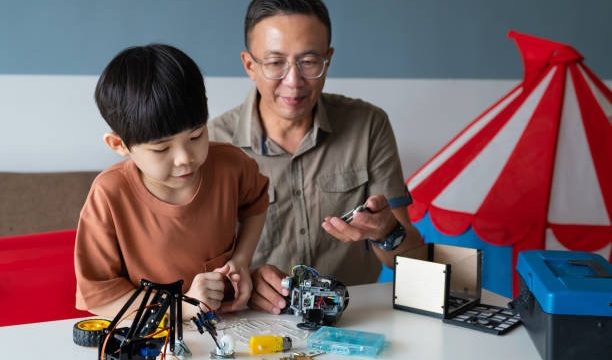
In the ever-evolving landscape of business and technology, innovation labs have emerged as vibrant sanctuaries where creativity flourishes.
These spaces, often designed to inspire and invigorate, nurture the inventive spirit within individuals and teams.
But what is it about these environments that makes creativity feel so natural? Delving into this question reveals a tapestry of elements that together create a fertile ground for imagination to thrive.
A shift in perspective often begins within the walls of innovation labs. When you step into one of these spaces, there’s an immediate sense of liberation from the conventional norms that typically govern workplaces. The atmosphere is carefully curated to be both stimulating and inviting, encouraging individuals to let go of their inhibitions and explore new ideas. The colors, the layout, and even the furniture are chosen not just for aesthetics but to evoke a sense of playfulness and curiosity.
Creating a safe space for exploration is fundamental to the ethos of innovation labs. Here, failure is not feared but embraced as a stepping stone toward success. This shift in mindset is crucial. When individuals feel secure in their ability to experiment without the weight of judgment, they are more likely to take risks and push boundaries. The joyous act of brainstorming, where every idea is welcomed, becomes a natural part of the creative process. In such an environment, even the wildest thoughts can lead to groundbreaking solutions.
Collaboration is another key ingredient in the recipe for creativity. Innovation labs often bring together diverse teams, pooling talents from various fields and backgrounds. This blend of perspectives not only fosters rich dialogues but also sparks ideas that may not have surfaced in more homogeneous groups. When individuals with different skill sets and experiences come together, they challenge one another’s thinking and inspire unique approaches to problem-solving. The synergy created in these interactions can lead to innovative breakthroughs that feel both effortless and organic.
The physical design of innovation labs plays a significant role in nurturing creativity. Spaces are often open and flexible, allowing for movement and adaptability. The arrangement of furniture encourages collaboration while also providing areas for quiet reflection. Creative pauses are just as important as brainstorming sessions; they allow the mind to wander and forge connections between seemingly unrelated concepts. The ability to shift from a collaborative hustle to a tranquil moment of contemplation can spark insights that might otherwise remain dormant.
Moreover, the integration of technology in these labs enhances the creative experience. With access to cutting-edge tools and resources, individuals can visualize their ideas in new ways. Whether it’s through digital modeling, interactive displays, or virtual reality simulations, technology amplifies the creative process. It allows for rapid prototyping and experimentation, enabling teams to iterate on their ideas swiftly. This fluidity in the creative process feels intuitive and aligns perfectly with the natural human desire to innovate.
A focus on purpose also imbues the work done in innovation labs with a sense of fulfillment. When individuals are engaged in projects that resonate with their values or passions, creativity flows more freely. This intrinsic motivation can elevate the quality of ideas generated, as people are naturally inclined to invest more of themselves into work that matters to them. The alignment of personal and professional purpose creates an environment where creativity is not just encouraged; it becomes a natural extension of one’s identity.
In addition, the culture within innovation labs often emphasizes mindfulness and well-being. Recognizing that creativity can be stifled by stress and burnout, many labs incorporate practices that promote mental clarity and emotional balance. This might include offering spaces for relaxation, meditation sessions, or even simple breaks that encourage stepping away from the task at hand. By attending to the holistic well-being of individuals, these labs cultivate a nurturing environment where creativity can flourish without the constraints of fatigue or anxiety.
The rhythm of innovation labs is also characterized by a sense of playfulness. The spirit of experimentation is often infused with elements of fun, making the creative process feel less like work and more like an adventure. Activities such as gamified brainstorming sessions or hands-on workshops transform the act of generating ideas into an engaging experience. This light-hearted approach to creativity allows individuals to connect with their inner child, reminding them that imagination knows no bounds.
As we explore the essence of why creativity feels natural in innovation labs, it becomes clear that it’s a harmonious blend of environment, culture, purpose, and collaboration. These spaces are designed not just for productivity but for the flourishing of ideas, where the act of creation is celebrated. By fostering a mindset that embraces exploration and experimentation, innovation labs transform the way we think about problem-solving.
In conclusion, the natural flow of creativity in innovation labs is a testament to the power of thoughtful design and intentional culture. By creating spaces that prioritize collaboration, well-being, and playful exploration, organizations can unlock the full potential of their teams. As we continue to navigate an increasingly complex world, the lessons gleaned from these vibrant environments can inspire us all to cultivate creativity in our own lives, reminding us that innovation is not just a goal, but a way of being.