In a world that often seems dominated by screens and digital distractions, the concept of maker education offers a refreshing breath of fresh air.
It invites individuals—young and old alike—to engage in hands-on learning experiences that spark creativity and encourage exploration.
The joy of building in maker education is not just about creating tangible objects; it’s about nurturing a mindset that embraces curiosity, problem-solving, and collaboration.
The art of making is deeply rooted in our human experience. From the earliest days of civilization, people have gathered to create, invent, and share. This communal spirit is at the heart of maker education. In various settings—schools, community centers, and even at home—individuals come together to tinker, build, and innovate. The process is often more meaningful than the final product, as it fosters connections and nurtures a sense of belonging.
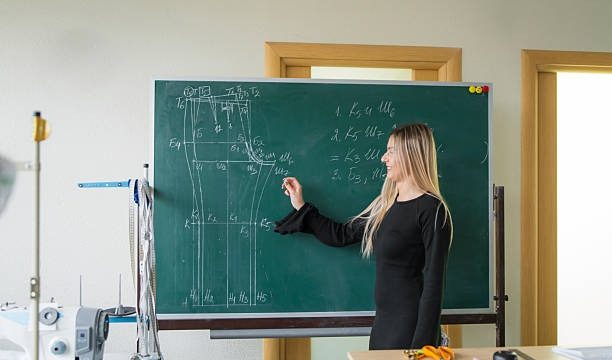
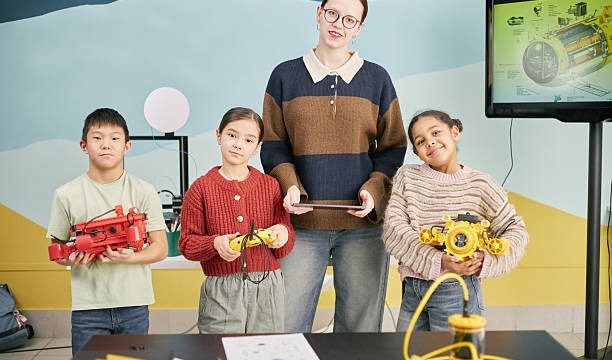
When we think about maker education, it’s essential to recognize that it encompasses a wide range of activities. Whether it’s woodworking, coding, sewing, or robotics, the possibilities are endless. Each project presents an opportunity for learners to experiment and discover. This hands-on approach encourages a growth mindset, where mistakes are seen as valuable learning experiences rather than setbacks. In this environment, students learn to persevere, adapt, and ultimately flourish.
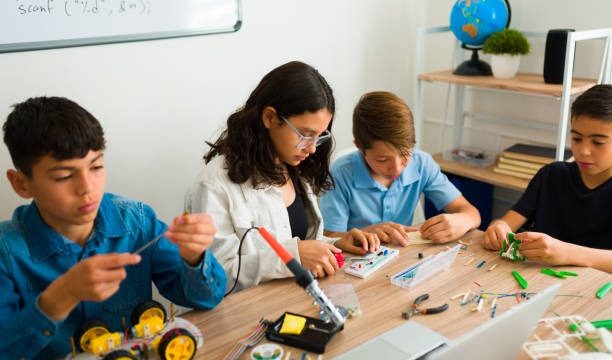
The joy of building is also about the thrill of creation. There’s something magical about transforming an idea into reality. Picture a group of children huddled around a table, sketching their designs, brainstorming solutions, and eagerly assembling their projects. The energy in the room is palpable as they share their visions and collaborate to bring them to life. In these moments, creativity flows freely, and imagination knows no bounds.
As we delve deeper into the world of maker education, we discover the profound impact it can have on personal development. Engaging in hands-on projects promotes critical thinking and enhances problem-solving skills. Learners are encouraged to ask questions, consider different perspectives, and think outside the box. This process not only builds confidence but also cultivates resilience—qualities that are invaluable in today’s fast-paced, ever-changing world.
In addition to fostering individual growth, maker education promotes community building. When people come together to create, they form bonds that transcend age, background, and experience. Workshops and maker spaces often become hubs of collaboration, where diverse groups unite to share knowledge and skills. This sense of community not only enriches the learning experience but also creates a supportive environment where everyone feels valued and empowered.
The joy of building extends beyond the physical act of creation. It also encourages mindfulness and presence. In a society that often pushes us to multitask and rush through our days, maker education invites us to slow down and immerse ourselves in the process. As we focus on crafting, we become attuned to our surroundings and our thoughts. This mindful engagement can be a form of meditation, allowing us to connect with our inner selves and find joy in the simple act of creating.
In this journey of exploration, it’s essential to celebrate the small victories along the way. Each completed project, no matter how simple, is a testament to effort and creativity. These achievements foster a sense of pride and accomplishment, encouraging individuals to take on new challenges with enthusiasm. Whether it’s the satisfaction of finishing a sewing project or the excitement of programming a robot, these moments of joy serve as motivation to keep building and learning.
As we navigate the landscape of maker education, it’s important to remember the role of educators and mentors. Their guidance can make a significant difference in the learning experience. A supportive mentor can inspire learners to push their boundaries and explore new possibilities. They create a safe space for experimentation, nurturing creativity and encouraging individuals to embrace their unique talents. In this supportive environment, the joy of building can flourish, transforming the learning experience into something truly special.
The impact of maker education can also be seen in its ability to foster empathy and understanding. When individuals collaborate on projects, they learn to appreciate different perspectives and skill sets. This collaboration nurtures a sense of respect and appreciation for one another, building a community founded on mutual support. The ability to work together toward a common goal is a powerful lesson that extends beyond the maker space and into everyday life.
As we reflect on the joy of building in maker education, it’s clear that this approach offers more than just skills and knowledge. It provides a pathway to personal growth, community connection, and creative expression. In a world that can often feel disconnected, maker education reminds us of the beauty of collaboration and the power of imagination.
Whether you are a seasoned maker or just beginning your journey, there is something incredibly fulfilling about engaging in the creative process. So, gather your materials, invite a friend, and let the joy of building inspire you. Embrace the journey of creation, and you may find that the most rewarding part lies not in the final product, but in the moments of discovery, connection, and joy along the way.
In the end, maker education is about more than just making things; it’s about making memories, forging friendships, and nurturing a lifelong love of learning. As we build together, we create not only objects but also a more vibrant, connected, and joyful world.