In a world that often feels fragmented, the power of community can serve as a balm for many of our modern woes.
One of the most effective ways to foster a sense of unity and shared purpose is through mentoring programs.
These initiatives provide a platform for individuals to connect, learn, and grow together, creating a ripple effect of positive change that can transform not just individuals but entire communities.
The essence of mentoring lies in the simple act of sharing knowledge and experience. Whether it’s a seasoned professional guiding a newcomer in their field, a retired teacher helping a student navigate academic challenges, or a community leader inspiring youth to engage in local initiatives, mentoring can bridge gaps that often divide us. It fosters relationships built on trust, respect, and a shared goal of personal and communal development.
A small shift toward balance occurs when individuals within a community begin to recognize their potential and the potential of those around them. Mentoring programs help facilitate this recognition by encouraging participants to explore their strengths and weaknesses in a supportive environment. For mentees, having someone believe in their abilities can be transformative. It can instill confidence, spark curiosity, and inspire action. This newfound sense of self can lead to achievements that not only benefit the individual but also uplift the community as a whole.
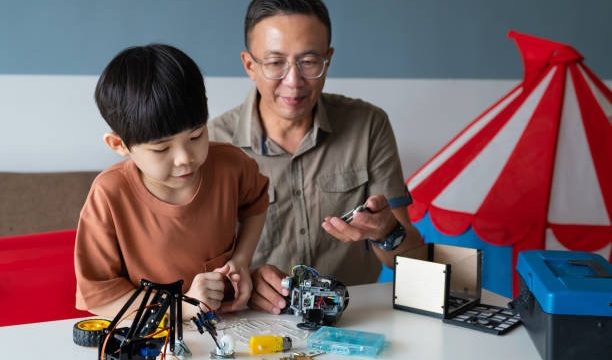
The beauty of mentoring is that it often transcends age, background, and experience. A young person may find wisdom in the stories of an elder, while an older individual may gain fresh perspectives from the eagerness and innovation of youth. This exchange creates a rich tapestry of knowledge and experience, where both parties learn and grow. Such intergenerational connections can deepen understanding and foster empathy, essential ingredients for a thriving community.
As communities invest in mentoring programs, they also invest in the future. When young people are guided by mentors who care about their growth, they are more likely to stay engaged in their education and pursue their passions. This support can lead to higher graduation rates and increased participation in local activities. Moreover, when these young individuals eventually become mentors themselves, the cycle of support continues, creating a legacy of empowerment.
Another significant aspect of mentoring programs is their ability to bring together diverse groups of people. In many cases, these initiatives create spaces where individuals from various backgrounds can come together to share their experiences and learn from one another. This diversity enriches the mentoring experience, as it encourages participants to consider different viewpoints and approaches to problem-solving. In doing so, communities become more inclusive and resilient, better equipped to tackle the challenges they face.
Moreover, mentoring programs often act as a catalyst for community development. As mentors and mentees collaborate on projects, they can identify local needs and work together to address them. Whether it’s organizing a community clean-up, developing a youth leadership program, or advocating for social change, the partnerships formed through mentoring can lead to impactful initiatives. This proactive approach not only strengthens community ties but also fosters a sense of ownership among residents, encouraging them to take pride in their surroundings.
The emotional benefits of mentoring programs cannot be overlooked. For many, having a mentor means having someone to turn to during difficult times. The relationships formed can provide a sense of belonging and support that is often hard to find in today’s fast-paced world. These connections can help individuals navigate personal challenges, leading to improved mental well-being and a greater sense of purpose.
In addition to the personal growth that mentoring fosters, it also cultivates essential life skills. Mentees often develop better communication, problem-solving, and critical thinking abilities through their interactions with mentors. These skills are invaluable not only in professional settings but also in everyday life. As individuals become more adept at navigating challenges, they contribute to a more capable and adaptable community.
As we reflect on the impact of mentoring programs, it’s important to recognize the role of organizations and community leaders in facilitating these initiatives. By creating structured programs that prioritize mentorship, they can ensure that the relationships formed are meaningful and sustainable. Training for mentors, clear expectations for both parties, and ongoing support are crucial elements that can enhance the effectiveness of these programs.
Additionally, community members can play a vital role in promoting and participating in mentoring initiatives. By sharing their own experiences and encouraging others to get involved, they can help create a culture of mentorship that permeates all levels of the community. This grassroots approach can lead to a more connected and engaged populace, where everyone feels valued and empowered.
Ultimately, the success of a community often hinges on the strength of its relationships. Mentoring programs serve as a powerful reminder of the importance of connection, collaboration, and compassion. By investing in these relationships, we not only support individual growth but also contribute to the greater good.
In a time when the world can feel isolating, mentoring programs shine a light on the beauty of human connection. They remind us that we are all part of a larger narrative, one where our stories intertwine and our successes are shared. As we nurture these bonds, we create a tapestry of support that can uplift us all, guiding us toward a brighter future together.