In today’s fast-paced world, the concept of an innovation lab often evokes images of bustling teams, vibrant brainstorming sessions, and cutting-edge technology.
However, the practical side of creativity within these spaces is just as vital as the visionary ideas that emerge.
Delving into the heart of innovation, we can uncover how these labs serve as nurturing environments, fostering creativity while maintaining a grounded focus on real-world applications.
Creating a nurturing environment
At its core, an innovation lab is a sanctuary for ideas. It’s a place where creativity can flourish without the constraints that often accompany traditional workspaces. The walls might be adorned with bright colors, and the layout is usually open and inviting, sparking inspiration and collaboration. However, the true magic happens when this creative environment is coupled with practical frameworks that guide ideas from inception to execution.
One of the most effective ways to cultivate creativity is through a culture of openness. When team members feel safe to express their thoughts without fear of judgment, innovation flows naturally. This supportive atmosphere encourages individuals to explore unconventional ideas, leading to breakthroughs that might not surface in a more rigid setting. The key is to balance this freedom with structure, ensuring that the creative process remains aligned with the organization’s goals.
The role of diverse perspectives
Diversity plays a crucial role in the success of innovation labs. When individuals from different backgrounds, experiences, and disciplines come together, the range of ideas expands exponentially. Each person brings their unique viewpoint, enriching discussions and sparking new connections. This melting pot of perspectives can lead to innovative solutions that are not only creative but also practical and applicable in real-world scenarios.
Encouraging collaboration among diverse teams can also lead to improved problem-solving. When faced with a challenge, a group that combines various skills and experiences is more likely to devise a multifaceted approach. This collaborative spirit not only enhances creativity but also ensures that the solutions developed are grounded in practicality, addressing the needs of various stakeholders.
The importance of prototyping
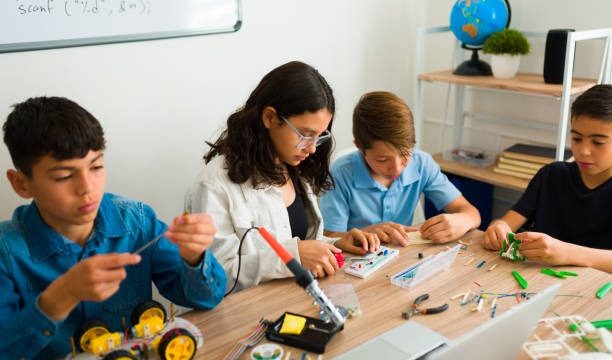
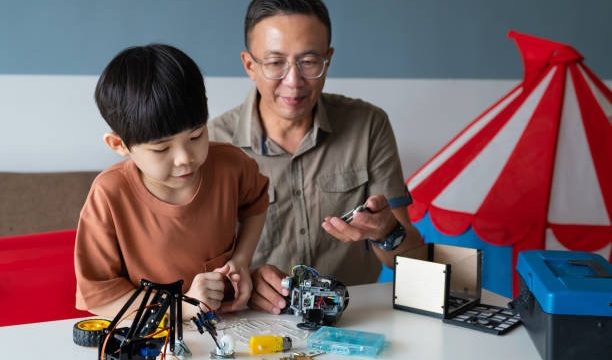
In the realm of innovation, the adage “fail fast, learn fast” holds significant weight. Prototyping is an essential part of the creative process in innovation labs, allowing teams to bring their ideas to life in tangible forms. By creating prototypes, whether they are physical models or digital simulations, teams can test their concepts quickly and gather feedback. This iterative process is invaluable, as it helps refine ideas and ensures that they are not only innovative but also feasible.
Prototyping also fosters a sense of ownership among team members. When individuals see their ideas materializing, it instills a sense of pride and motivates them to push the boundaries of their creativity. Moreover, this hands-on approach allows for real-time adjustments and improvements, aligning the creative vision with practical needs.
Balancing creativity with business objectives
While creativity is the lifeblood of innovation labs, it is essential to maintain a connection to broader business objectives. This balance ensures that the ideas generated are not only imaginative but also viable within the context of the organization’s goals. Encouraging teams to consider the end-user and market implications of their innovations can help ground their creativity in reality.
Integrating business objectives into the creative process can be achieved through regular check-ins and discussions. By establishing clear goals and metrics for success, teams can evaluate their ideas against these benchmarks. This practice not only keeps the innovation aligned with the organization’s vision but also promotes accountability among team members.
Embracing a culture of experimentation
A practical approach to creativity in innovation labs involves fostering a culture of experimentation. Encouraging teams to test their ideas in low-risk environments allows them to explore without the fear of failure. This mindset shifts the focus from perfection to exploration, enabling individuals to embrace their curiosity and take calculated risks.
By celebrating experimentation, innovation labs can create a safe space for trial and error. This openness to exploring various avenues leads to unexpected discoveries and creative solutions that might not have been considered otherwise. A culture of experimentation empowers individuals to think outside the box, ultimately enhancing the creative output of the entire team.
The significance of reflection
In the rush of innovation, it can be easy to overlook the importance of reflection. Taking the time to pause and evaluate what has been learned from both successes and failures can provide invaluable insights. Reflection allows teams to appreciate their creative journey, understand what worked and what didn’t, and ultimately refine their approach moving forward.
Incorporating regular reflection sessions into the innovation process encourages continuous improvement. These moments of introspection can lead to deeper understanding and more informed decision-making in future projects. By acknowledging the lessons learned, teams can cultivate a growth mindset that enhances their creative capabilities.
Finding harmony in creativity
Ultimately, the practical side of creativity in innovation labs lies in finding harmony between imagination and implementation. By fostering an environment that encourages diverse perspectives, embraces experimentation, and emphasizes reflection, innovation labs can become fertile ground for transformative ideas.
As we navigate the complexities of our evolving world, the ability to innovate with purpose becomes increasingly important. By grounding creativity in practicality, organizations can harness the power of innovation to create meaningful change. In this delicate dance of creativity and practicality, innovation labs serve as beacons of hope, guiding us toward a future filled with possibilities.
In embracing this balance, we not only unlock the potential of innovative thinking but also pave the way for a more sustainable and thoughtful approach to creativity. After all, true innovation is not just about dreaming big; it’s about making those dreams a reality in a way that serves and uplifts us all.