Innovation is often seen as a grand, elusive concept, something that only happens in the bustling halls of tech giants or the minds of visionary leaders.
However, what if I told you that innovation can be found in the gentle, nurturing environment of an innovation lab? These spaces are designed to foster creativity, collaboration, and exploration.
They serve as incubators for ideas, bridging the gap between thought and tangible solutions. Let’s take a step-by-step journey through the magic of innovation labs, exploring how they cultivate a culture of creativity and bring ideas to life.
Creating the right environment
The atmosphere of an innovation lab is crucial to its success. These spaces are often designed with flexibility and openness in mind. Imagine bright, airy rooms filled with comfortable seating, whiteboards, and areas for both quiet reflection and energetic brainstorming. The goal is to create an environment that encourages free thinking and collaboration.
In many cases, innovation labs incorporate elements of nature, such as plants and natural light, which can enhance mood and promote well-being. By fostering a welcoming atmosphere, innovation labs invite individuals to explore ideas without the fear of judgment. This sense of safety is essential for creativity to flourish.
Encouraging diverse perspectives
One of the most powerful aspects of innovation labs is their ability to bring together individuals from diverse backgrounds and disciplines. When people with different perspectives collaborate, the potential for innovation skyrockets. Each person contributes unique insights based on their experiences, leading to richer discussions and more creative solutions.
This melting pot of ideas encourages participants to think outside the box. It’s not uncommon to find engineers, designers, marketers, and even psychologists working side by side, each adding their own flavor to the mix. The beauty of this collaboration lies in its ability to break down silos, allowing for a free exchange of ideas that can lead to groundbreaking innovations.
Harnessing the power of experimentation
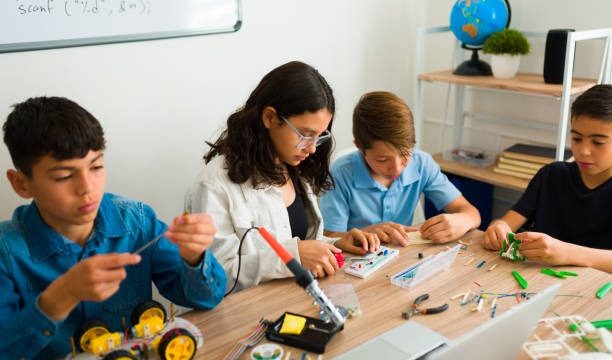
At the heart of every innovation lab is the spirit of experimentation. Here, ideas are not just discussed; they are tested, refined, and iterated upon. This hands-on approach allows participants to learn from their failures and successes in real time.
In an innovation lab, failure is often viewed as a stepping stone rather than a setback. Participants are encouraged to embrace the unknown, take risks, and experiment with new concepts. This mindset cultivates resilience and adaptability, qualities that are essential in today’s fast-paced world.
As ideas take shape, they may begin as simple sketches or prototypes. These tangible representations of thoughts allow for constructive feedback and further development. The process of refining an idea through experimentation can lead to unexpected breakthroughs, making each iteration a crucial part of the journey.
Fostering collaboration and community
An innovation lab thrives on collaboration, and this is often facilitated through structured activities and workshops. These gatherings are designed to spark creativity, encourage dialogue, and foster connections among participants.
Through team-based challenges, brainstorming sessions, and design thinking workshops, individuals are given the opportunity to collaborate in new and exciting ways. This not only strengthens relationships within the group but also enhances the collective knowledge and skills of all involved.
In many cases, innovation labs also seek to engage with the broader community. By hosting events, workshops, or open houses, they invite the public to participate in the innovation process. This openness enriches the lab’s culture and can lead to fresh perspectives that drive new ideas forward.
Embracing a mindset of continuous learning
Innovation labs embody a culture of continuous learning. Participants are encouraged to seek knowledge, ask questions, and remain curious about the world around them. This commitment to lifelong learning is essential for maintaining a competitive edge in an ever-changing landscape.
Workshops featuring guest speakers, online courses, and collaborative research projects are just a few ways that innovation labs promote ongoing education. By investing in personal and professional growth, participants are better equipped to contribute meaningfully to the innovation process.
The journey from idea to impact
The ultimate goal of an innovation lab is to transform ideas into impactful solutions. This journey often begins with a simple spark of inspiration, which is nurtured through collaboration, experimentation, and learning.
As ideas evolve, they may take on various forms, from new products and services to processes and strategies. The lab serves as a supportive environment where these concepts can be tested and refined until they are ready for real-world application.
Once an idea has matured, the innovation lab often collaborates with external partners, investors, or stakeholders to bring it to market. This transition from the lab to the outside world is a critical step, as it allows the innovations to reach those who can benefit from them.
Celebrating successes and learning from setbacks
Every innovation journey is filled with highs and lows. It’s essential to celebrate successes, no matter how small, as they provide motivation and encouragement for participants. Recognizing achievements fosters a sense of pride and accomplishment, reinforcing the value of teamwork and collaboration.
At the same time, it’s important to reflect on setbacks. Each challenge presents an opportunity for growth and learning. By analyzing what didn’t work, participants can gain valuable insights that inform future projects. This balanced approach to success and failure creates a resilient mindset that is vital for innovation.
The ripple effect of innovation labs
The impact of innovation labs extends far beyond their walls. The ideas and solutions developed within these spaces have the potential to influence industries, communities, and even society as a whole. When individuals are empowered to innovate, they can drive positive change, whether through sustainable practices, technological advancements, or enhanced services.
As innovation labs continue to grow in popularity, they are becoming essential hubs for creativity and progress. By nurturing a culture of collaboration, experimentation, and continuous learning, these spaces are paving the way for a brighter, more innovative future.
In conclusion, the step-by-step magic of innovation labs lies in their ability to create an environment that fosters creativity and collaboration. Through diverse perspectives, hands-on experimentation, and a commitment to continuous learning, these labs are transforming ideas into impactful solutions. As we embrace the spirit of innovation, we open ourselves to endless possibilities, shaping a future that is rich with creativity and progress.